Learn how to follow UK asbestos regulations, avoid legal risks, and protect your property from HSE fines. Understand compliance steps and legal duties now.
Asbestos is still present in many UK properties built before 2000. Property owners, landlords, and building managers are legally obligated to manage these risks under current regulations. Failing to follow required steps can lead to prosecution, large fines, or insurance issues. Knowing the rules is not just helpful—it protects people, assets, and your legal standing.
What Are the Current UK Regulations for Asbestos in 2025?
The Control of Asbestos Regulations 2012 remain the legal backbone of asbestos law in 2025. They outline responsibilities for anyone who manages non-domestic premises. Amendments continue to emphasise clear documentation and action plans.
Those legally bound include landlords, duty holders, employers, facilities managers, and anyone responsible for maintenance. Commercial properties, schools, hospitals, and public buildings fall under these regulations.
Who Is Legally Responsible for Asbestos in Commercial and Residential Properties?
The law defines a duty holder as anyone who owns, manages, or controls a building. In some rental cases, this could be the managing agent. Where responsibilities are shared, all parties must coordinate.
Failing to meet obligations can lead to HSE prosecutions, especially if exposure occurs. Even if asbestos is present but untouched, owners must assess and manage the risk.
What Types of Properties Are Most at Risk of Asbestos-Related Hazards?
Buildings constructed before 2000 are considered high risk. These include:
- Council housing blocks
- Schools and nurseries
- Hospitals and clinics
- Warehouses and factories
- Office buildings
Common asbestos materials include pipe insulation, sprayed coatings, vinyl floor tiles, and cement panels. Renovations or deterioration can release fibres into the air, causing harm.
When Is an Asbestos Survey Legally Required?
UK law requires asbestos surveys for many situations. Two main types exist:
- Management surveys: for ongoing occupation and maintenance
- Refurbishment/Demolition surveys: before structural work begins
Only qualified asbestos surveyors may carry out these inspections. All findings must be recorded in an asbestos register with risk ratings and recommendations.
How Should Asbestos Be Monitored and Managed After Discovery?
Asbestos-containing materials (ACMs) must be recorded, monitored, and reviewed. Asbestos registers document material condition, location, and risk.
Management plans outline inspection schedules, containment methods, and removal priorities. If ACMs remain in place, regular condition checks are legally required.
Encapsulation is acceptable in some cases, but if the material is friable or deteriorating, licensed removal may be the only compliant path.
What Are the Approved Steps for Legal Asbestos Removal in the UK?
Legal asbestos removal must follow strict HSE protocols:
- Hire a licensed asbestos contractor who is trained, authorised, and experienced in asbestos removal.
- Set up sealed containment zones using controlled enclosures to prevent fibre release into other areas.
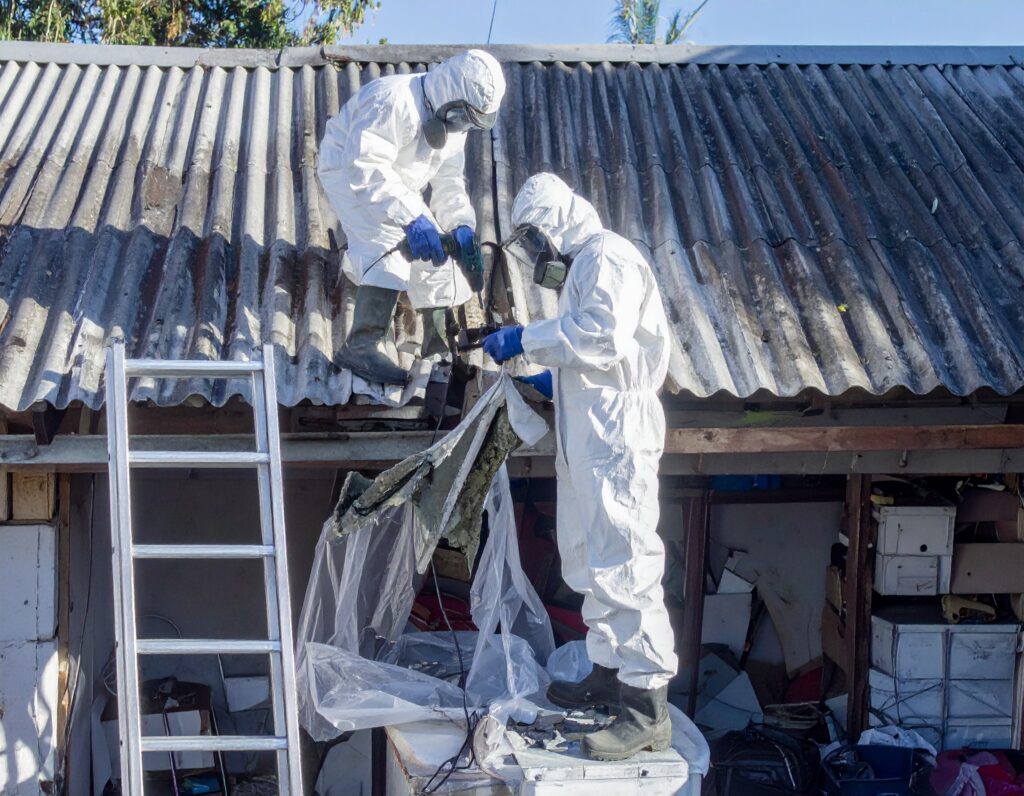
- Equip workers with PPE including respirators and protective suits. Air filtration units are installed to reduce airborne contamination.
- Safely remove the asbestos-containing materials (ACMs) by following approved techniques. Materials are double-bagged, labelled, and sealed.
- Transport ACMs using authorised waste carriers. The materials must be moved to licensed disposal facilities.
- Arrange clearance air testing by an independent party. A certificate of reoccupation is issued once safety is confirmed.
Property owners are held liable for breaches. Never allow unlicensed removal or waste handling.
What Penalties or Legal Risks Come With Non-Compliance?
Consequences for breaking asbestos laws are severe. These include:
- Fines exceeding £20,000 for each offence
- Prison sentences for deliberate negligence
- Loss of insurance or invalidated claims
Real-world examples include landlords fined for incomplete surveys and councils prosecuted for failing to protect workers. HSE inspections are frequent, and records must be current.
How Can Property Owners Prepare for a 2025 HSE Inspection?
Have these items ready:
- Asbestos survey reports and management plans
- Evidence of staff training and communication
- Records of past inspections and remedial actions
Regular awareness training for staff, caretakers, and contractors helps demonstrate active management.
Why Early Action Matters for Health and Legal Safety
Delays in asbestos compliance can lead to higher removal costs, long-term exposure risks, and regulatory penalties. Acting early helps identify hazards before they escalate. Timely surveys, documented plans, and regular monitoring create safer environments and reduce liability. Property owners who take action protect both occupants and themselves from avoidable harm and future enforcement.
Explore our Services here:
- Commercial Gas Boiler Services
- BMS Services
- Commercial Boiler Pump Services
- Gas Purging Services
- Commercial Kitchen and Gas Catering Engineers
- Water Booster Pump Services
- Pressure Testing Services
- Gas Safety Certificate CP42
Staying compliant with UK asbestos regulations protects you from prosecution, financial loss, and health risks. Property owners must act with clear responsibility by maintaining accurate records, arranging proper surveys, and using licensed professionals for removal. Compliance is not about paperwork, it is about preventing exposure and avoiding consequences. Immediate action is safer, cheaper, and legally sound.
Frequently Asked Questions
Yes. Lack of knowledge is not a legal defence. You’re still expected to survey and manage the risk.
Not always. If it’s in good condition and undisturbed, managing it in place might be acceptable under law.
You could face legal claims, fines, and possible criminal charges, especially if no warnings or management plans were in place.
Not necessarily. But you must review the condition of known materials at least annually and update records as needed.
Some local councils offer guidance. You can also hire a licensed consultant to handle surveys and plans.
Usually for doing renovation work without checking for asbestos or failing to act on known risks.