Learn how asbestos removal works in the UK, who’s legally responsible, and what steps protect your health, your property, and your compliance in 2025.
Asbestos remains a hidden threat in many UK buildings. It endangers health, triggers legal consequences, and creates long-term risk if ignored. Property owners, landlords, and employers must understand how asbestos removal works, who holds responsibility, and what legal steps apply. Knowing the process is a safeguard, not a suggestion.
Why Does Asbestos Removal Matter for Health and Legal Safety?
Many buildings across the UK still contain asbestos. If disturbed, asbestos fibres can lead to serious health conditions such as mesothelioma, asbestosis, and lung cancer. This threat affects both workers and occupants. That’s why strict regulations exist to control exposure and guide removal.
Beyond health, there are legal stakes. Property owners and employers have a duty under the Control of Asbestos Regulations 2012 to manage asbestos risk. Ignoring this can result in prosecution, financial loss, or irreversible harm.
Who Is Responsible for Safe Asbestos Removal in the UK?
The law assigns clear responsibility to the duty holder—this may be the landlord, property owner, managing agent, or employer depending on the situation. In shared buildings, duties may be split, but all involved must cooperate.
Contractors have their own legal obligations. Even if a contractor handles the work, the property owner remains accountable for ensuring legal compliance.
When Is Asbestos Removal Required Instead of Just Management?
Not all asbestos needs to be removed. However, removal becomes necessary when materials are damaged, deteriorating, or at risk of disturbance. Encapsulation is only permitted when the asbestos is stable and not accessible to damage.
Removal is also mandatory before any refurbishment or demolition work that could disrupt asbestos-containing materials (ACMs). Failing to act before building work starts can lead to fines and stop-work orders.
What Does a Legal Asbestos Removal Process Involve?
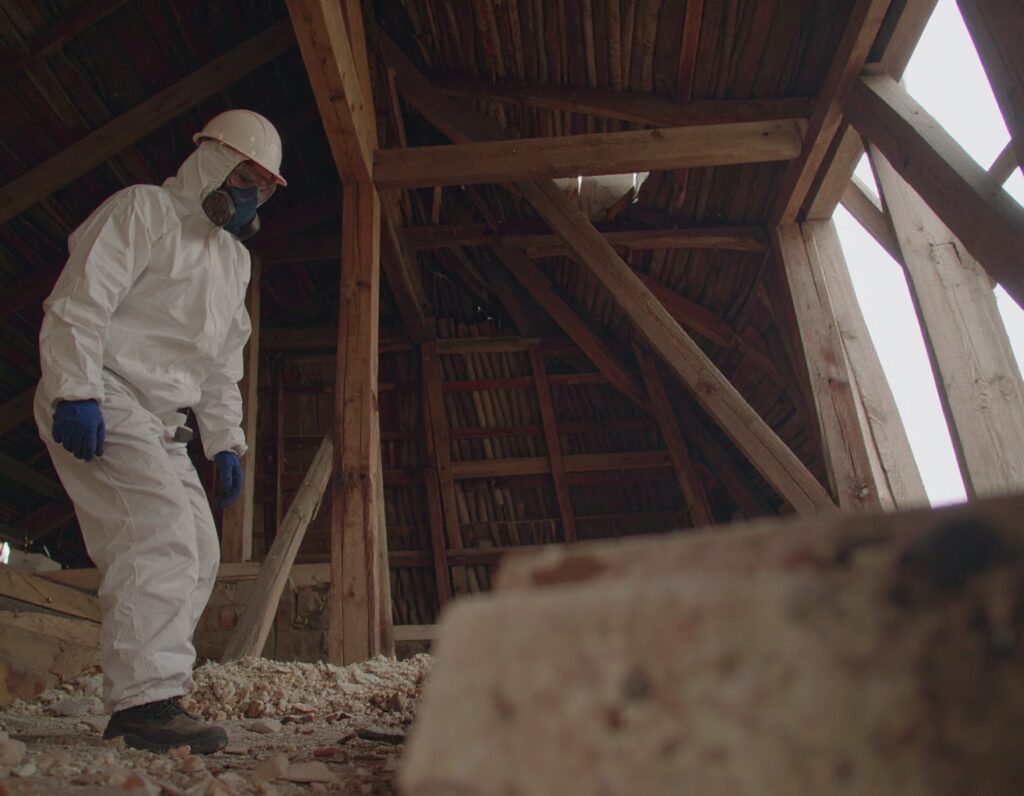
The process starts with a full risk assessment by a licensed contractor. A plan of work is then submitted and approved. The site must be sealed and made safe, and only trained operatives using protective gear are allowed access.
After removal, the area undergoes air testing to confirm safety. A clearance certificate is issued, and the waste is transported by registered carriers to authorised disposal sites.
What Does a Licensed Contractor Actually Do During Asbestos Removal?
Licensed asbestos contractors follow a tightly regulated process that’s designed to protect both workers and the public. Every step is documented, methodical, and governed by the Health and Safety Executive (HSE). Their job isn’t just about removing the material—it’s about doing it without releasing dangerous fibres into the air.
How Licensed Professionals Remove Asbestos Safely
Before any removal takes place, the site is fully assessed. A plan of work is written and submitted to HSE. Only after approval does removal begin.
Site Preparation and Safety Setup
Warning signs are posted, access is restricted, and the area is sealed off. Negative pressure units are installed to stop airborne fibres escaping. Workers suit up in full protective clothing, including respirators.Enclosure and Controlled Conditions
The removal zone is enclosed with plastic sheeting and filtered ventilation. This contains any fibres and keeps contamination from spreading to other parts of the building.Safe Removal of ACMs
The asbestos-containing materials are sprayed with a fine mist to prevent fibres from becoming airborne. Materials are then carefully detached, double-bagged in red and clear waste bags, and sealed.Decontamination Procedures
After removal, workers pass through a decontamination unit. Equipment and suits are cleaned or disposed of according to protocol.Air Testing and Final Clearance
Independent analysts carry out air testing to check fibre levels. If the area passes, a Certificate of Reoccupation is issued. No one is allowed back in until this is complete.Licensed Waste Disposal
The waste is loaded into secure containers, documented with a consignment note, and transported by licensed carriers to authorised disposal sites.
Each step requires written evidence and must be carried out by operatives trained to the highest safety standards. As a property owner, you have the right to see all paperwork before, during, and after the process.
How Do You Choose the Right Contractor for Asbestos Removal?
Only hire contractors licensed by the HSE. Ask for their license number and proof of insurance. A competent contractor should also provide:
- A clear method statement or plan of work
- References or previous compliance history
Avoid anyone offering quick or cheap solutions without documentation. Cutting corners in asbestos work is illegal and dangerous.
What Are the Health Risks If Removal Is Done Incorrectly?
Poor removal releases microscopic fibres into the air. These can linger and cause long-term damage to lungs. Even a single exposure can increase health risks.
Untrained removal, dry handling, or improper disposal turns a building site into a health hazard. Workers, residents, and even future occupants may be exposed.
What Legal Documents and Records Should Be Kept After Removal?
Keep all documentation in case of future inspections or liability claims. These include:
- Asbestos removal plan of work
- Waste consignment notes from licensed carriers
- Air monitoring and clearance certificates
Records should be kept for a minimum of 40 years, especially for commercial or public buildings.
How Much Does Asbestos Removal Cost in the UK in 2025?
Costs vary widely. Minor removals may cost a few hundred pounds, while large-scale operations in hospitals or schools can reach tens of thousands.
Factors influencing price include:
- Type of ACM (tiles vs insulation)
- Location and accessibility
- Urgency and required controls
Compared to the legal and health consequences of ignoring asbestos, proper removal is a necessary investment.
Explore our Services here:
- Commercial Gas Boiler Services
- BMS Services
- Commercial Boiler Pump Services
- Gas Purging Services
- Commercial Kitchen and Gas Catering Engineers
- Water Booster Pump Services
- Pressure Testing Services
- Gas Safety Certificate CP42
Asbestos removal is a legal and health-critical process that demands precision, licensed expertise, and documented compliance. Whether you’re a property owner, contractor, or employer, knowing your obligations and choosing the right professionals protects lives, limits liability, and keeps your building safe and future-proof.
Frequently Asked Questions
Yes. Even if the contractor is licensed, the property owner or duty holder can still be held responsible for breaches in compliance or safety.
Surprisingly, some ironing boards, toilet cisterns, and even old fireplace panels have contained asbestos. It’s not just ceilings and insulation.
A clearance certificate from an independent analyst confirms that fibre levels are safe. This should always be issued before reoccupation.
Responsibility is shared across all duty holders. Everyone involved must coordinate, or the entire building could face legal penalties.
Yes. Heavy rain or wind can delay work and make conditions more dangerous. Contractors may need to reschedule or adjust safety controls.
In most cases, yes. Proper enclosures and air control systems are used, but staying nearby increases your risk of exposure.