Discover why
Commercial Gas Boiler Maintenance is vital for safety, energy savings, legal compliance, and long-term system performance in UK buildings. Commercial gas boilers are essential to heating systems in offices, warehouses, schools, and healthcare buildings. When everything runs smoothly, most people don’t notice them. But when a system fails, the impact is immediate. Heating stops, operations slow, and safety risks escalate. Scheduled maintenance keeps commercial boilers operating safely and efficiently. It reduces energy waste, prevents dangerous faults, and extends equipment lifespan. Ignoring maintenance increases the risk of breakdowns, legal trouble, and rising repair costs.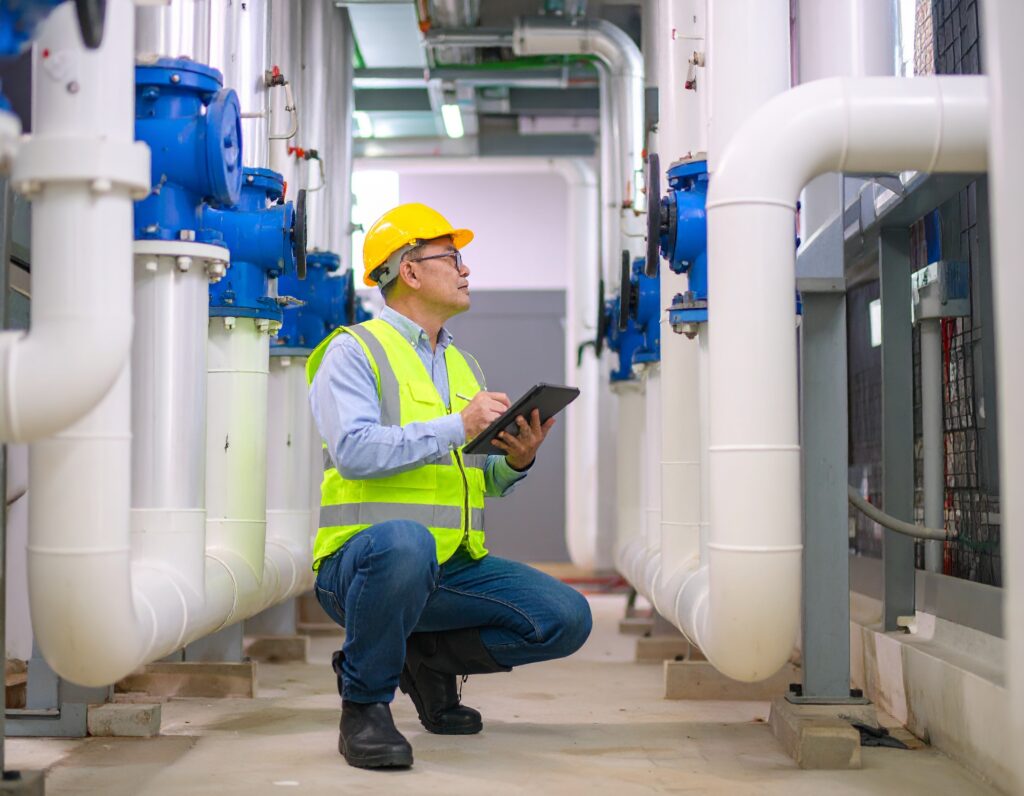
What Does Commercial Gas Boiler Maintenance Involve and Why Is It Important?
Commercial gas boiler maintenance includes a thorough inspection, cleaning, and performance check. Certified engineers perform these tasks to meet safety standards and improve operational efficiency. A typical service covers:
- Inspecting burners, heat exchangers, and safety valves
- Removing soot, scale, and corrosion from internal parts
- Checking pressure levels and thermostat controls
- Analyzing flue gases for carbon monoxide
- Testing electrical controls and safety shut-off mechanisms
Why Do Commercial Gas Boilers Need Regular Maintenance?
These boilers often run for long hours under heavy load. Over time, this causes wear and tear on internal parts. Without maintenance:
- Dust reduces combustion efficiency
- Leaks increase system pressure
- Safety components fail silently
How Does Boiler Maintenance Improve Efficiency in Commercial Heating Systems?
Dust and scale inside the heat exchanger act as insulation, forcing the boiler to work harder. Even a one-millimetre layer of buildup can reduce efficiency by up to 10%. Engineers clean combustion parts, test burner flame quality, and calibrate controls. Flue gases are tested for proper combustion. Filters are replaced to improve air and water flow. The result: better performance, lower gas bills, and longer boiler life. Efficient combustion also reduces carbon emissions and supports energy compliance goals.
What Are the Safety Risks of Not Servicing a Commercial Boiler?
Poor maintenance increases the risk of carbon monoxide leaks. If flues are blocked or combustion is incomplete, this gas may enter occupied areas. Even low levels pose health risks. Pressure faults are also dangerous. Worn valves and broken gauges can allow pressure to build. In extreme cases, leaks or structural failure may occur. Wiring and ignition problems raise fire risks, especially in older boilers. Skipping maintenance invites legal and safety issues. In high-risk settings like hospitals, failure can become an emergency.
What Should Be Included in a Commercial Boiler Maintenance Checklist?
A comprehensive checklist improves reliability and ensures regulatory compliance. Here is what engineers typically inspect and maintain:
| Component or Area | Maintenance Task | Purpose |
| Burner Assembly | Clean and inspect flame quality | Improves combustion and startup |
| Heat Exchanger | Remove soot and scale | Increases heat transfer and efficiency |
| Flue System | Check for leaks, test gas emissions | Ensures safe operation and clean exhaust |
| Safety Devices | Inspect valves and shut-off mechanisms | Prevents overpressure and overheating |
| Water Flow & Pressure | Test circulation and verify pressure levels | Maintains proper heating performance |
| Thermostats & Sensors | Recalibrate and test accuracy | Ensures precise temperature control |
| Electrical Connections | Check wiring, fuses, and ignition system | Reduces electrical failure or fire risk |
| Control Panel | Review settings and diagnostic codes | Optimises performance and fault detection |
How Often Should a Commercial Gas Boiler Be Serviced?
Annual service is the minimum. High-use systems, such as those in hospitals or factories, may need servicing every six months. Frequency depends on:
- Manufacturer guidelines
- System size and complexity
- Seasonal workload
- Legal or insurance requirements
What Are the Financial Benefits of Preventative Boiler Maintenance?
Proactive care reduces gas usage and lowers utility costs. A tuned system burns fuel more efficiently. It also stops small issues from turning into expensive repairs. A minor seal replacement during inspection may prevent costly water damage or pump failure later. Extending system life delays capital investment. Well-maintained boilers can last 15 to 20 years compared to 10 to 12 with poor upkeep. Avoiding emergency repairs and keeping operations stable saves money across the board.
Who Should Perform Commercial Boiler Maintenance?
Only certified Gas Safe engineers should maintain gas boilers in the UK. This is not just a best practice. It’s a legal requirement. Trained engineers bring:
- Experience with complex commercial systems
- Tools for accurate diagnostics
- Access to approved replacement parts
- Documentation for compliance
Is Commercial Boiler Maintenance Legally Required in the UK?
Yes. UK law requires regular servicing of gas appliances in commercial properties. The Gas Safety (Installation and Use) Regulations 1998 mandates annual checks. The Health and Safety at Work Act 1974 also applies. Employers must protect staff and visitors from avoidable hazards. Every service visit should include a report or gas safety certificate. Missing documentation can lead to compliance issues during inspections or insurance claims.
What Happens During an Emergency or Reactive Boiler Service Call?
These callouts are triggered by faults, breakdowns, or safety alarms. They’re unplanned, cost more, and disrupt operations. Engineers start by isolating the system, diagnosing the fault, and applying a temporary fix if needed. Full repairs may follow depending on parts availability. Reactive maintenance solves problems after they happen. The goal of preventative service is to avoid reaching this point.
Explore our Services here:- Commercial Gas Boiler Services
- BMS Services
- Commercial Boiler Pump Services
- Gas Purging Services
- Commercial Kitchen and Gas Catering Engineers
- Water Booster Pump Services
- Pressure Testing Services
- Gas Safety Certificate CP42
Frequently Asked Questions
Skipping a year might not cause a breakdown right away, but it increases the risk. Dust, scale, or faulty sensors could go unchecked, reducing efficiency and raising energy costs. Over time, small problems grow and repairs become more expensive.
Basic checks like looking for leaks or unusual noises are fine. But anything involving gas, combustion, or wiring must be handled by a Gas Safe registered engineer. DIY fixes on gas systems are unsafe and illegal in commercial buildings.
Summer is the best time. Boilers are under less demand, so engineers can take their time without interrupting heating. It also gives you time to address any issues before peak heating season starts.
A good provider gives a detailed service report, explains what was checked, and highlights any concerns. If they rush the job or skip explanations, they may not be doing a thorough inspection.
Yes, to a point. Regular servicing keeps it clean and calibrated, which helps performance. But older models eventually lose efficiency compared to newer units with advanced controls and better combustion systems.
Dirty burners are one of the most common issues. They affect combustion quality and waste fuel. Cleaning the burners during service helps restore proper flame patterns and improves efficiency.