Explore UK heat pump installation costs for 2025, including pricing, grants, and long-term savings. Upgrade to energy-efficient, low-carbon heating today.
Heat pumps are rapidly becoming a mainstream solution for UK households, replacing traditional heating systems like gas boilers. Whether you’re replacing an old system or planning a new heat pump build, understanding the costs involved will help you make a smart, low-carbon choice for your home.
Why Heat Pumps Are Gaining Popularity in the UK
Heat pumps are no longer just a niche technology for eco-conscious homes—they’re becoming the go-to solution for households across the UK. This trend is driven by a combination of rising energy costs, government incentives, and growing awareness of climate change. The UK government’s net-zero target for 2050 has put home heating under scrutiny, as domestic space and water heating contribute around 14% of UK emissions.
With gas prices remaining volatile, many homeowners are exploring alternative, more sustainable heating options. The Boiler Upgrade Scheme (BUS), offering grants of up to £7,500, makes heat pumps more affordable. As installation expertise grows, heat pumps are proving to be an effective way to reduce both carbon footprints and long-term energy bills.
Heat Pumps and the UK Home Energy Landscape
The UK has a diverse housing stock, from Victorian terraces to modern flats and suburban semis. While older homes weren’t originally designed for heat pumps, improvements in insulation and the latest heat pump technology have made them more compatible with a wider range of properties.
Modern heat pumps are more efficient in cold weather, quieter, and able to integrate with underfloor heating, low-temperature radiators, and hybrid systems that can work alongside gas boilers. For new builds, heat pumps are increasingly the default option, especially as gas connections are phased out under the Future Homes Standard.
Older homes can still benefit from heat pump installations, particularly if they’ve undergone retrofitting to improve insulation. These improvements, like cavity wall insulation, double glazing, and loft insulation, increase the system’s efficiency, improving the Coefficient of Performance (COP)—the ratio of heat delivered to electricity used.
What Goes into the Cost of a Heat Pump?
A heat pump isn’t just a simple replacement for a boiler—it’s a fully integrated system that delivers both heating and cooling, adjusts its output based on demand, and requires careful design and installation. Here’s a breakdown of what goes into the total cost:
- System Design: Installers assess the property’s insulation, size, heat loss profile, and energy use to design a solution tailored to your needs.
- Labour & Installation: The installation process involves connecting refrigerant lines, installing the indoor and outdoor units, and sometimes upgrading radiators or adding underfloor heating.
- Commissioning & Testing: After installation, the system must be calibrated to ensure efficient and safe operation.
Although heat pumps come with a higher upfront cost, they provide 2 to 4 times more heat than the electricity they consume. This efficiency, combined with the decarbonisation of the electricity grid, translates to long-term savings.
How Much Do Heat Pumps Cost in 2025?
The cost of installing a heat pump varies based on the system type, property size, and insulation quality. For an average 3–4 bedroom house, air-source heat pump installation typically ranges from £8,000 to £15,000. Ground-source systems, which require more extensive groundwork, cost between £18,000 and £28,000.
Thanks to the Boiler Upgrade Scheme, these costs can be reduced by up to £7,500. After the grant, some air-source heat pump systems could cost as little as £500 to £10,500.
Here’s a breakdown of estimated installation costs in 2025:
Heat Pump Type | Household Size | System Size (kW) | Average Installation Cost | Cost After £7,500 Grant |
Air-to-Water | 2–3 bedrooms | 13 kW | £13,000 | £5,500 |
Air-to-Air | 1–2 bedrooms | 7.5 kW | £7,000 | £0–£500 |
Ground Source (Horizontal) | 4–5 bedrooms | 16 kW | £25,000 | £17,500 |
Ground Source (Borehole) | 3–4 bedrooms | 13–16 kW | £28,000 | £20,500 |
Hybrid System | 3–4 bedrooms | — | £15,000–£18,000 | Not eligible for BUS |
Note: Prices include full installation, but additional costs may apply for upgrades such as underfloor heating or low-temperature radiators.
Factors Influencing Heat Pump Installation Costs
Several factors will impact the total cost of your heat pump installation:
- Property Size and Layout: Larger homes with more rooms require higher-capacity systems, larger radiators, and more complex installations.
- System Type: Air-to-water systems tend to be more expensive but heat both space and water. Ground-source systems require excavation and groundwork, significantly increasing costs.
- Energy Efficiency of the Home: Well-insulated homes require less heating power, while a low EPC rating may necessitate insulation upgrades before installation.
- Installation Complexity: Older homes with outdated plumbing or no ductwork may require extensive retrofitting, which can add to the cost.
- Installer Rates and Region: Labour costs vary across the UK, with higher service rates in regions like London and the South East.
Running Costs Compared to Traditional Heating Systems
Heat pumps are highly energy-efficient, but how do their running costs compare to traditional systems like gas boilers? Here’s a quick comparison:
Household Size | Annual Heat Demand (kWh) | Heat Pump Running Cost | Gas Boiler Cost | Potential Savings |
1–2 bedrooms | 8,000 kWh | £855 | £780 | £75 |
3 bedrooms | 12,000 kWh | £1,205 | £1,130 | £75 |
4+ bedrooms | 17,000 kWh | £1,700 | £1,615 | £85 |
Note: While savings compared to gas are modest in some homes, switching from electric or oil systems can save up to £2,000 per year.
Available Grants and Government Schemes in 2025
Government incentives are crucial in making heat pumps more affordable. Here are the key grants and schemes available in 2025:
- Boiler Upgrade Scheme (BUS) – England & Wales
Grants of up to £7,500 for installing an air or ground-source heat pump. - Home Energy Scotland Grant and Loan
Grants up to £7,500 and interest-free loans up to £7,500 for Scottish homeowners. - Warm Homes Programme – Wales
Provides up to £5,000 for low-income households in Wales to install energy-efficient upgrades. - Warmer Homes Scotland
Offers up to £10,000 for energy efficiency improvements for qualifying Scottish households. - ECO4 Scheme
Provides 100% funding for heat pump installations for low-income and vulnerable households in Great Britain. - 0% VAT on Heat Pump Installations
From April 2022 to March 2027, heat pump installations are VAT-exempt.
Maintenance and Servicing Costs
Heat pumps require regular maintenance to ensure optimal performance and longevity. Annual servicing typically costs:
- Air-source heat pumps: £150 – £300
- Ground-source heat pumps: £200 – £350
Service Includes:
- Checking refrigerant levels
- Inspecting electrical components
- Cleaning filters and coils
- Ensuring defrost cycles work properly (for air-source models)
Regular maintenance helps maintain efficiency and is often required for warranty compliance.
Payback Period and Long-Term Savings
The payback period for a heat pump depends on several factors, including installation cost, energy usage, and savings on energy bills. On average, air-source heat pumps have a payback period of 12–16 years.
For example, replacing an old G-rated gas boiler with a modern air-source heat pump could save £250–£290 annually.
Payback Period Overview:
Installation Type | Net Cost After Grant | Annual Savings | Estimated Payback Period |
Air Source Heat Pump | £5,500–£10,500 | £250–£290 | 12–16 years |
Ground Source Heat Pump | £20,000+ | £550+ | 30+ years |
Enhancing Your ROI:
- Add solar panels: Further reduce electricity bills by using free solar energy.
- Smart controls: Optimize system performance with smart thermostats.
Upgrade insulation: Improve energy efficiency by weatherproofing your home.
Explore our Services here:
- Commercial Gas Boiler Services
- BMS Services
- Commercial Boiler Pump Services
- Gas Purging Services
- Commercial Kitchen and Gas Catering Engineers
- Water Booster Pump Services
- Pressure Testing Services
- Gas Safety Certificate CP42
In 2025, heat pumps are one of the most energy-efficient and forward-thinking heating solutions available in the UK. With the Boiler Upgrade Scheme offering grants up to £7,500, transitioning to a low-carbon heating system has never been more affordable. Whether you’re upgrading an old boiler, building a new home, or simply reducing your carbon footprint, heat pumps offer long-term savings, consistent comfort, and environmental benefits.
Frequently Asked Questions
Yes, modern heat pumps work efficiently in temperatures as low as -5°C, making them ideal for the UK climate.
Yes, as long as your home is well-insulated. You may need to upgrade radiators or install underfloor heating for better performance.
Not necessarily, but older or smaller radiators may need to be upgraded to handle lower temperatures.
They’re quiet, producing only a soft hum, similar to a fridge. The noise from the outdoor unit is minimal.
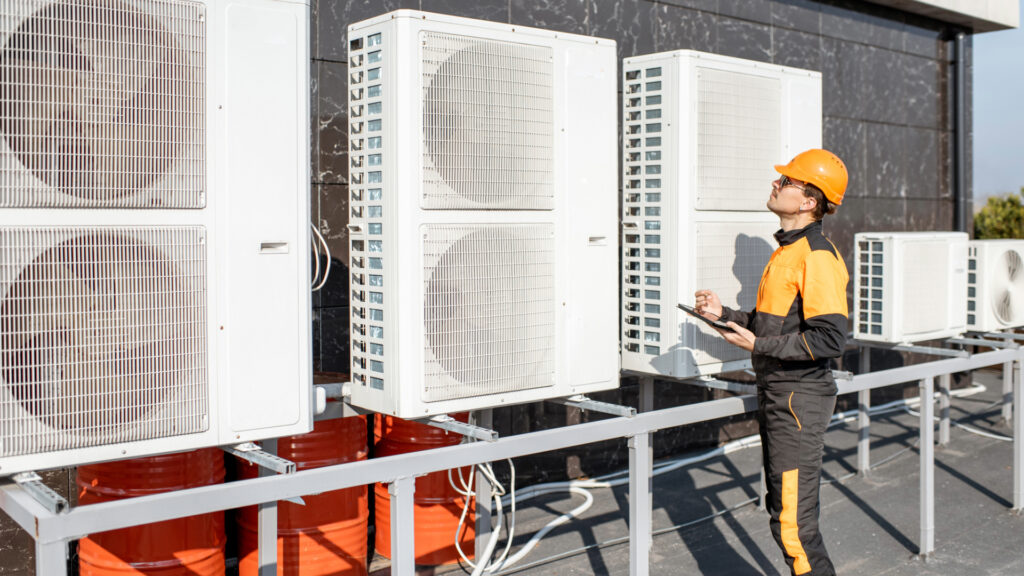
Air-source heat pumps can be installed in small yards, mounted on walls, or placed on rooftops, making them versatile for smaller spaces.
Yes, solar panels can power your heat pump, reducing reliance on grid electricity and lowering your bills.