Understand how purge systems operate in UK industrial environments. Learn about types, safety roles, gas removal processes, and compliance with safety regulations.
In high-risk industrial settings—such as power plants, refineries, chemical factories, and manufacturing lines—gas-related hazards are a constant concern. If left uncontrolled, even a small volume of flammable or toxic gas can create dangerous working conditions, damage equipment, or trigger explosions.
That’s where purge systems come in. A purge system clears dangerous gases or vapours from enclosed equipment, vessels, or pipework before ignition, shutdown, or human access. It’s not an optional feature. In most UK industrial facilities, purge systems are a legal and operational requirement under regulations such as DSEAR and ATEX.
What Is a Purge System and Why Is It Essential in Industrial Facilities?
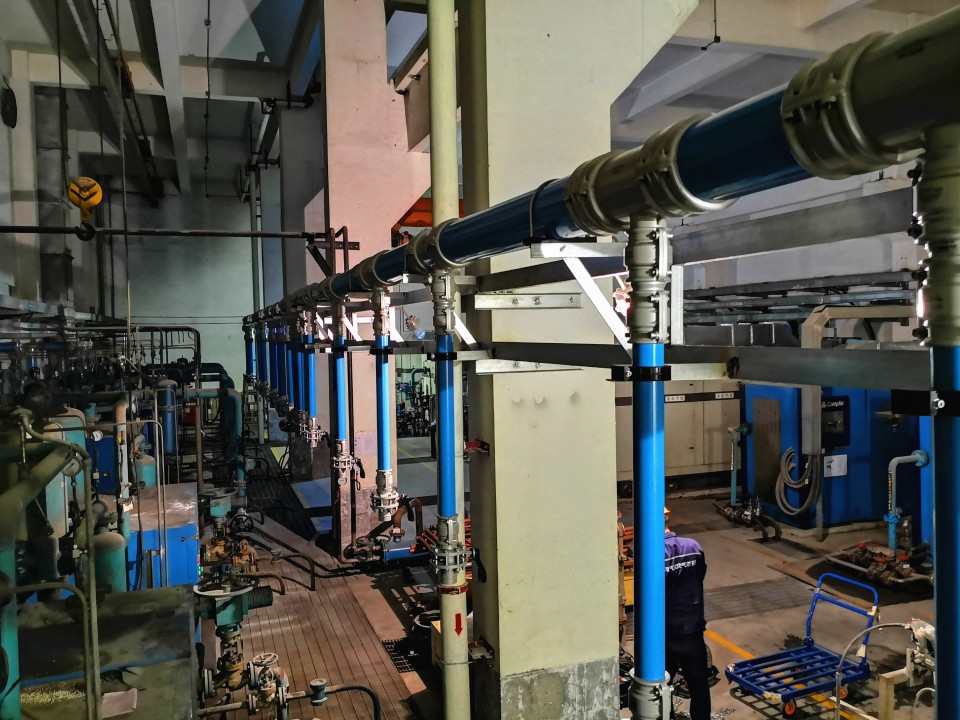
In UK industrial environments, purge systems are critical for managing safety in areas where flammable, toxic, or inert gases are stored, used, or generated. Whether it’s a gas-fired furnace, chemical reactor, storage tank, or process line, purge systems are used to remove hazardous gases before start-up, shutdown, or maintenance.
A properly designed purge system ensures explosive gas concentrations are reduced below the Lower Explosive Limit (LEL), oxygen levels are kept low to prevent combustion, and toxic residues are cleared before human entry. It also helps prevent air ingress in inerted systems during shutdown.
These systems are part of broader hazard control strategies and are essential under UK laws such as DSEAR, ATEX, COMAH, and Gas Safety Regulations.
Where Are Purge Systems Most Commonly Used?
Purge systems are typically installed in environments where flammable or toxic gases could build up. These include combustion systems like boilers and CHP plants, process vessels in chemical and pharmaceutical sectors, and storage tanks holding fuels or volatile organic compounds. Confined spaces, such as silos or underground tanks, also require purging before human access.
Depending on the hazard, purging agents may include nitrogen for inerting, clean dry air for dilution, or steam in high-temperature applications.
How Do Purge Systems Operate in Industrial Applications?
Purge systems operate by introducing a non-hazardous gas—like nitrogen or clean air—into an enclosed system at a controlled flow rate. This displaces or dilutes hazardous gases until safe concentration levels are achieved.
The standard purge sequence includes sealing the system, injecting the purge gas, exhausting displaced gases, monitoring concentrations with sensors, and releasing interlocks once the system is safe.
In some high-risk zones such as hydrogen storage or solvent-handling areas, continuous purging is used to prevent the buildup of dangerous gases over time.
What Types of Purge Systems Are Used in the UK?
Pre-Ignition Purge Systems flush unburned fuel gases before ignition in boilers, furnaces, or incinerators.
Pre-Entry Purge Systems ventilate confined spaces to ensure air quality is safe before personnel entry, often confirmed by gas detectors.
Inert Gas Purging Systems displace oxygen using nitrogen to reduce combustion risk, commonly used in petrochemical and pharmaceutical industries.
Continuous Purging Systems maintain a steady flow of purge gas in environments where gas build-up is likely.
Emergency Purge Systems activate automatically during faults or leaks to quickly restore safe operating conditions.
What UK Safety Regulations Apply to Purge Systems?
Purge systems must meet multiple UK safety and technical standards. These include:
- DSEAR 2002 for controlling explosive atmospheres
- UKEX/ATEX Directives for hazardous zone requirements
- BS EN 60079-2 for pressurised enclosures
- Gas Safety Regulations for industrial gas system safety
- HSE Guidance (HSG140, HSG250) outlining best practices
Failure to comply can lead to enforcement, shutdowns, or safety incidents.
How Are Purge Systems Integrated into Industrial Control Systems?
Modern purge systems are integrated into plant control frameworks to improve safety and reduce human error. These may connect with:
- Burner Management Systems (BMS)
- Programmable Logic Controllers (PLCs)
- Building Management Systems (BMS)
- Emergency Shutdown Systems (ESD)
These integrations ensure automatic and coordinated purging when needed, with real-time monitoring.
Manual vs. Automated Purge Systems
Manual purge systems rely on trained personnel following procedures with portable equipment and gas monitors. They are typically used in small-scale or legacy systems.
Automated purge systems are built into the facility’s control architecture, featuring sensors, alarms, and interlocks for more accurate and timely purging. They’re preferred in modern, high-risk, or regulated environments.
Key Safety Features to Look For
Effective purge systems include interlocks, pressure and flow sensors, gas detectors, alarms, visual indicators, and redundant purge lines. Data logging is also essential for traceability and compliance.
These features ensure safety even during unexpected faults or system failures.
Maintenance and Testing Requirements
Consistent maintenance and testing ensure continued performance and legal compliance. Standard practices include:
- Visual checks weekly or monthly
- Sensor calibration every quarter
- Functional purge simulations
- Annual full-system inspections
Maintenance logs should be kept for audits and safety documentation.
Explore our Services here:
- Commercial Gas Boiler Services
- BMS Services
- Commercial Boiler Pump Services
- Gas Purging Services
- Commercial Kitchen and Gas Catering Engineers
- Water Booster Pump Services
- Pressure Testing Services
- Gas Safety Certificate CP42
Purge systems are critical safety tools in the UK industrial sector. They actively control gas hazards, protect personnel, and ensure compliance with strict safety regulations.
Whether for emergency response or day-to-day operation, selecting and maintaining the right purge system can prevent life-threatening risks. When integrated properly, these systems boost both operational safety and regulatory confidence.
Frequently Asked Questions
No. Ventilation circulates air, while purge systems displace hazardous gases using controlled flow and pressure.
Nitrogen is the most widely used purging gas. Air or steam may also be used depending on the application.
Not all, but they are required where hazardous gases are present as per DSEAR and ATEX regulations.
Yes, with a professional assessment and proper integration into the existing control systems.
If purge systems fail, alarms and interlocks should halt processes. Without these safeguards, risk of explosion or exposure rises.
Industries like oil and gas, chemical processing, pharmaceuticals, and energy generation depend heavily on purge systems to operate safely.