Flair Facilities provides certified asbestos mitigation in London. Reduce risks, stay compliant, and protect staff with safe removal and legal disposal. Asbestos continues to pose a threat in many commercial properties across the UK. Even though it has been banned for decades, the material remains hidden in insulation, roofing, flooring, and pipe systems. When disturbed, asbestos releases microscopic fibres that can cause life-threatening illnesses such as mesothelioma, asbestosis, and lung cancer. For businesses, this is not just a health issue but a legal responsibility that cannot be ignored.
Mitigation is more than removing asbestos. It involves identifying risks, containing exposure, and managing materials in line with strict regulations. Effective mitigation protects staff, clients, and contractors while keeping businesses compliant with the law. Flair Facilities has built a reputation across London for delivering certified asbestos mitigation services that combine surveys, safe removal, and legal disposal into one complete solution.
Where Asbestos Risks Are Found in Workplaces
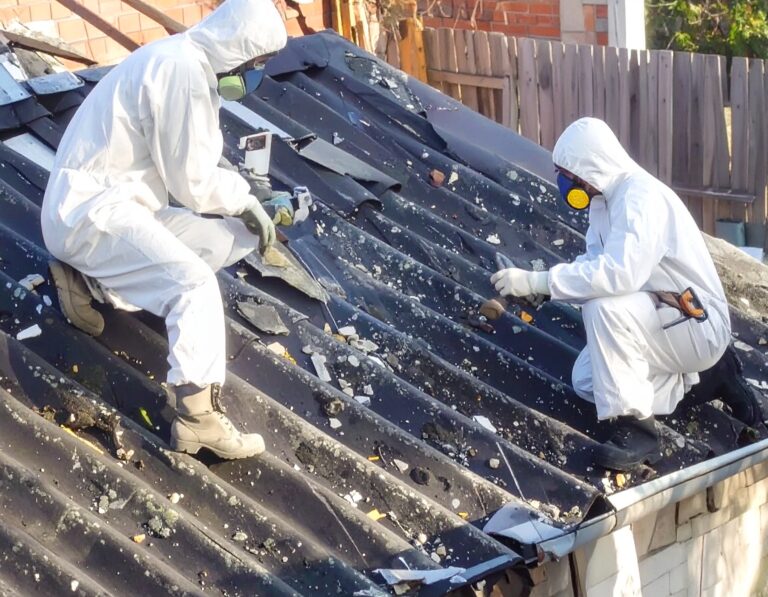
Asbestos can still be found in buildings constructed before the year 2000. It hides in insulation boards, sprayed coatings, pipe lagging, roof panels, cement sheets, and vinyl floor tiles. These materials are often forgotten until construction, refurbishment, or demolition begins. When disturbed, they become a direct hazard to anyone nearby.
Unlike ordinary construction debris, asbestos cannot be treated as normal waste. It requires specialist handling to prevent fibres from spreading. The challenge for businesses is that asbestos is often invisible. Materials that appear harmless may contain fibres. Without professional surveys, companies may only discover asbestos once work has already begun. This leads to costly delays, project stoppages, and emergency removal. Mitigation ensures these risks are managed before they escalate.
The Legal Standards for Asbestos Mitigation
UK law places clear responsibilities on duty holders under the Control of Asbestos Regulations 2012. Businesses must identify, assess, and control asbestos in their properties. If asbestos is present, they must have a management plan in place.
The Health and Safety Executive (HSE) monitors compliance and carries out inspections. The Environment Agency regulates waste transport and disposal. Both bodies issue enforcement notices, fines, and prosecutions when standards are ignored.
Employers, landlords, and contractors share legal duties. They must arrange professional surveys, maintain asbestos registers, and ensure safe handling of materials. They must also retain documentation to prove compliance. In 2025, regulators are increasing enforcement, making it essential that businesses act proactively.
The Process of Asbestos Mitigation
Mitigation begins with surveys to identify asbestos within the property. A management survey is carried out for buildings in use, while refurbishment or demolition surveys are required before major works. Samples are tested in accredited laboratories to confirm the presence of fibres.
Once asbestos is identified, mitigation measures are planned. These may include sealing materials to prevent fibre release, removing high-risk materials under licensed conditions, and setting up containment systems to protect occupants. Negative pressure units, airlocks, and protective barriers ensure asbestos fibres do not spread during removal.
After removal, air monitoring is performed to confirm that fibre levels are within safe limits. Final clearance testing provides proof that the area can be safely reoccupied. Documentation is issued to confirm that all legal requirements have been met. Flair Facilities manages each stage, providing businesses with a complete and compliant service.
Mitigation Stages and Their Outcomes
Mitigation Stage | Purpose | Outcome for Business |
Survey and Risk Assessment | Identify asbestos and assess condition | Clear roadmap for safe management |
Containment Setup | Seal work areas and install negative pressure | Prevents fibres spreading beyond site limits |
Removal or Encapsulation | Safely eliminate or contain asbestos materials | Reduced exposure risk for staff and visitors |
Air Monitoring | Measure airborne fibre levels during works | Assurance of safe working environment |
Final Clearance Testing | Independent testing after mitigation | Certification that area is safe to reoccupy |
Documentation | Records of surveys, removal, and disposal | Legal protection during audits and inspections |
Risks of Ignoring Mitigation
Failure to mitigate asbestos risks puts lives in danger. Fibres released into the air are invisible and remain suspended for long periods. Staff and contractors exposed during poor handling may face serious illness years later.
Legal consequences are severe. Companies that fail to comply with asbestos laws face fines, enforcement action, and possible prosecution. Insurance claims are often denied when businesses cannot provide proof of compliance. Projects that encounter unmanaged asbestos suffer delays, increased costs, and reputational damage. Once a company is associated with unsafe asbestos practices, trust from clients and regulators is difficult to regain.
Why Businesses Choose Flair Facilities
Flair Facilities has been supporting London businesses with asbestos compliance for more than 25 years. Our licensed teams are trained to the highest standards and supported by accredited carriers and disposal partners. We deliver fast, reliable results and provide full documentation that satisfies insurers, regulators, and auditors.
Businesses trust Flair Facilities because we minimise disruption while maintaining safety. From healthcare facilities to large industrial demolitions, our teams adapt mitigation strategies to each site. Clients know their asbestos risks are being managed with expertise, precision, and compliance.
Business Benefits of Certified Mitigation
Certified asbestos mitigation delivers safety, compliance, and financial protection. Staff, contractors, and visitors are shielded from exposure. Businesses avoid legal penalties and insurance disputes. Projects move forward without unexpected stoppages caused by unmanaged asbestos.
Documentation strengthens compliance records and provides reassurance during audits. Beyond meeting regulations, professional mitigation demonstrates a company’s commitment to safety. This improves reputation, builds trust, and supports long-term business continuity.
Where Mitigation Matters Most
Mitigation is necessary across all sectors, but some environments demand immediate action. Healthcare facilities cannot risk asbestos exposure to vulnerable patients. Schools and universities must ensure safe environments for students and staff.
Industrial sites generate large volumes of asbestos during demolitions and refurbishments, requiring professional mitigation to prevent contamination. Offices and retail spaces must maintain safe and comfortable workplaces. Hotels and hospitality venues need discreet mitigation that protects guests while keeping operations running smoothly. Flair Facilities delivers sector-specific services that keep businesses safe and compliant.
Complete Support from Flair Facilities
Flair Facilities offers more than removal. We provide surveys, risk assessments, mitigation, safe disposal, and compliance audits under one provider. This creates a single point of accountability and ensures consistent documentation across every stage.
Our ongoing support includes monitoring and future inspections to maintain compliance. By partnering with Flair Facilities, businesses simplify asbestos management and reduce long-term costs while protecting safety at every level.
Preparing for Mitigation Work
Businesses preparing for asbestos mitigation should review survey results and asbestos registers. Project schedules must account for mitigation to avoid disruption. Compliance records should be organised and available for regulators.
Flair Facilities provides guidance at every step. We schedule work to suit business operations, including evenings or weekends where required. With certified results and inspection-ready documentation, businesses can continue operating while asbestos risks are eliminated.
Building Safer Workplaces Through Mitigation
Asbestos remains one of the most significant hazards in older buildings. Mitigation is the only way to ensure materials are managed safely, removed where necessary, and disposed of legally. Businesses that neglect asbestos responsibilities face legal, financial, and reputational damage, while placing people at risk.
Flair Facilities delivers certified asbestos mitigation services across London. With over 25 years of expertise, licensed teams, and accredited disposal facilities, we provide safe, compliant solutions that protect staff, clients, and contractors.
Explore our Services here:
- Commercial Gas Boiler Services
- BMS Services
- Commercial Boiler Pump Services
- Gas Purging Services
- Commercial Kitchen and Gas Catering Engineers
- Water Booster Pump Services
- Pressure Testing Services
- Gas Safety Certificate CP42
Contact Flair Facilities today to arrange asbestos waste collection and disposal. Protect your staff, protect your clients, and protect your business.
Frequently Asked Questions
Mitigation includes identifying asbestos, assessing risks, containing exposure, and managing safe removal and disposal. It goes beyond removal to focus on long-term safety.
A professional survey is the only reliable way to confirm. Materials that look ordinary may contain asbestos fibres, so testing is essential before any project begins.
Yes. With containment measures such as sealed work areas and negative pressure systems, mitigation can often be carried out safely without shutting down operations.
You will receive survey reports, clearance certificates, and waste documentation. These records prove compliance and are required during audits or inspections.
Work can be scheduled outside peak hours or during downtime. Flair Facilities adapts services to ensure minimal disruption while maintaining safety standards.
The duty holder, usually the landlord or employer, is legally responsible. Lease agreements often specify who manages asbestos compliance on the property.