Flair Facilities delivers certified post-repair pressure testing in London. Keep your systems safe, compliant, and ready with expert Gas Safe engineers. When a system is repaired, it may appear to function correctly, but appearances do not confirm safety. A boiler that ignites or a pipe that holds water pressure briefly can still fail when exposed to full operational demand. Post-repair pressure testing removes this uncertainty by proving the system can operate under sustained pressure without leaks, faults, or weaknesses.
This process is more than technical validation. It is a safeguard against business interruption, fines, and costly repeat work. Boilers, plant rooms, and pipework form the infrastructure of many London businesses, and without proper testing, every repair carries a risk of hidden failure. Flair Facilities provides certified post-repair testing that confirms reliability, delivers compliance with regulatory standards, and gives managers documented assurance that their systems are ready for service.
Confirming Safety After System Repairs
Repairs often involve pipe replacements, valve adjustments, or resealing of joints. While these fixes restore function, they can also create vulnerabilities. A pipe connection may hold under initial use but split under full load. A joint may appear secure but fail once the system reaches peak demand.
Post-repair pressure testing identifies these weaknesses before the system is brought back online. Engineers subject the repaired sections to controlled conditions, checking for leaks, pressure drops, or signs of structural weakness. Businesses also meet their legal duties under Gas Safe and HSE regulations by commissioning post-repair testing. These checks create a record of compliance, protecting companies against liability should an incident occur later. Without this validation, businesses gamble with both safety and operational continuity.
The Post-Repair Pressure Testing Process Explained
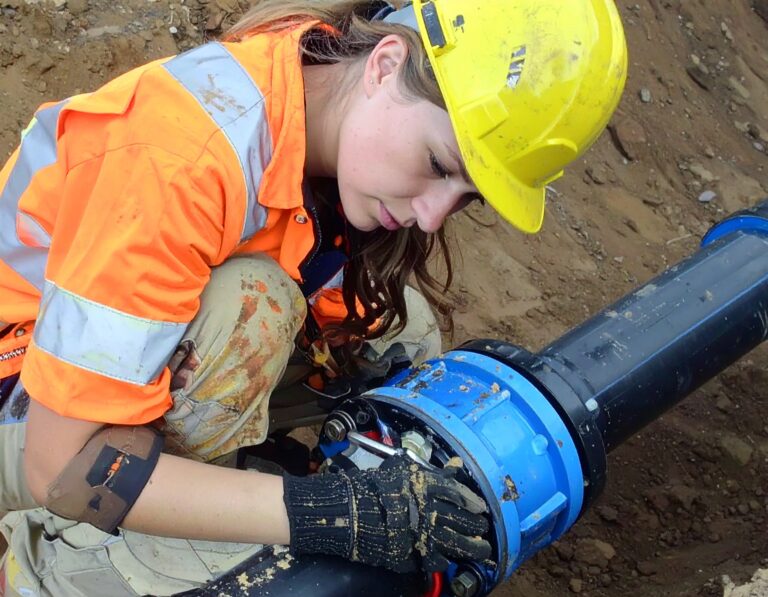
At Flair Facilities, testing is not a formality but a structured procedure that confirms repairs meet the highest standards. Engineers begin with a detailed site survey to review the work carried out and assess any risks before testing. The system is then isolated, and all connections are sealed to prepare for safe pressurisation.
Pressure is built gradually using calibrated equipment, replicating the stresses the system will face in real use. This stage is critical, as it exposes weaknesses under safe, controlled conditions rather than during live operation. Engineers monitor readings closely, identifying even the smallest variations in pressure. Once the system demonstrates stability, compliance certificates and detailed reports are issued, providing businesses with clear evidence accepted by insurers and regulators.
Stages of Post-Repair Testing and Business Guarantees
Stage | What Happens | Guarantee for the Business |
Site Survey | Engineers inspect repairs and system layout | A safe and accurate test plan |
System Preparation | Pipework sealed and testing equipment fitted | A controlled environment for valid results |
Safe Pressurisation | Pressure applied gradually with calibrated tools | Accurate replication of operating conditions |
Monitoring | Readings recorded for pressure stability | Early detection of leaks or weak points |
Certification | Reports and compliance certificates issued | Proof recognised by insurers and regulators |
What Can Go Wrong Without Post-Repair Testing
Omitting post-repair testing exposes businesses to multiple risks. Safety incidents are the most immediate concern. A single leak can create gas hazards or release hot water under pressure, endangering staff and customers.
The financial costs of failures can quickly surpass the price of testing. Emergency callouts are expensive, and insurers often reject claims when compliance cannot be demonstrated. Operations grind to a halt when faults go unnoticed, leading to lost revenue and missed deadlines. Reputational damage compounds the problem, as clients, tenants, and regulators lose confidence in businesses that operate unsafe systems. Post-repair testing prevents these scenarios by confirming system integrity before operations resume.
Delivering Certified Post-Repair Testing Across London
For more than 25 years, Flair Facilities has delivered pressure testing services to businesses across London. Every engineer is Gas Safe registered and trained to handle the full range of commercial systems. Precision instruments are used to guarantee accuracy, and certification is provided immediately after successful testing.
Clients rely on Flair Facilities for fast response and reporting that stands up to audits and inspections. Our reputation is built on efficiency, reliability, and the ability to minimise disruption while delivering results businesses can depend on.
Business Benefits of Certified Post-Repair Testing
Certified testing provides clear operational advantages. It confirms that systems are safe before they are returned to service, preventing failures that would cause costly disruptions. Detecting weaknesses early reduces repair costs by stopping minor issues from escalating into major replacements.
Certificates also strengthen compliance positions, providing proof for inspections, audits, and insurance claims. Safe systems create secure environments for employees, customers, and visitors, reducing the risk of accidents and legal claims. For businesses, these benefits extend beyond compliance, contributing to resilience, cost efficiency, and peace of mind.
Where Post-Repair Testing Is Most Critical
While testing is important across all industries, some sectors depend on it for uninterrupted operations. In hospitality, reliable kitchens and hot water systems are essential for staff efficiency and guest satisfaction. Healthcare facilities cannot risk system failures that compromise patient care. Schools and universities require heating and hot water systems that protect students and staff across large campuses.
Industrial and manufacturing sites face significant losses from unplanned downtime caused by system breakdowns, while offices and retail spaces must maintain safe and comfortable environments for staff and customers. Flair Facilities provides sector-specific expertise, delivering testing that meets the demands of each industry without disrupting day-to-day operations.
Complete Mechanical Services from Flair Facilities
Post-repair testing is part of a wider range of services offered by Flair Facilities. In addition to certified testing, we provide plant room maintenance, boiler servicing, and emergency repair solutions. This integrated approach simplifies compliance and creates consistency across all mechanical systems.
Preventative maintenance further reduces costs by extending equipment life and identifying small issues before they escalate. Emergency support is available when unexpected failures occur, ensuring businesses have access to rapid solutions. By choosing one provider for testing, servicing, and repairs, companies benefit from continuity, reduced delays, and stronger compliance management.
Preparing Your Business for Post-Repair Testing
Businesses can support efficient testing by maintaining detailed records of repair work, keeping compliance documentation accessible, and informing staff of planned tests. These steps ensure engineers can begin testing without delay and create a smoother process.
Flair Facilities handles the technical aspects from start to finish. Testing is scheduled at convenient times, including evenings and weekends, to avoid disruption. Every test is carried out by experienced Gas Safe engineers who provide certified results, giving businesses immediate assurance of compliance and safety.
Building Long-Term Safety Through Post-Repair Testing
Post-repair testing is a requirement for any business that values safety and compliance. It confirms that repairs have been completed successfully and that systems are stable under operational demand. Without it, businesses risk failures that lead to fines, downtime, and reputational harm.
Flair Facilities has built its reputation by providing certified testing across London with accuracy, speed, and full compliance. With more than 25 years of experience, our engineers deliver results that protect businesses from risk and keep systems inspection-ready.
Explore our Services here:
- Commercial Gas Boiler Services
- BMS Services
- Commercial Boiler Pump Services
- Gas Purging Services
- Commercial Kitchen and Gas Catering Engineers
- Water Booster Pump Services
- Pressure Testing Services
- Gas Safety Certificate CP42
Book your post-repair pressure testing with Flair Facilities today. Safeguard your business, protect your people, and maintain compliance with certified results.
Frequently Asked Questions
MRepairs often restore function but do not prove structural strength. A pipe can pass water or gas at low flow yet fail when exposed to operating pressure. Post-repair testing subjects the system to controlled stress so businesses know it will hold under real conditions. Without this step, hidden flaws may remain undetected until they cause a major breakdown.
Yes. Testing does more than validate the recent repair. It can expose weaknesses elsewhere in the system that might have been aggravated during the repair process. For example, older joints connected to the repaired section may reveal leaks once pressure is applied. This allows businesses to address problems before they spread.
UK regulations require businesses to operate safe systems at all times. The Health and Safety Executive and Gas Safe standards both highlight the importance of validation after work is carried out. Certified post-repair testing provides the documentation inspectors and insurers expect, protecting businesses from penalties and legal disputes.
Certification is not just paperwork. It is proof that the system has been tested to a recognised standard and is safe for use. These records become critical during audits, insurance claims, or HSE inspections. They also give managers and stakeholders confidence that their facility is operating legally and responsibly.
Yes. Detecting weaknesses early prevents expensive secondary repairs. It also avoids unplanned downtime, which can cost far more in lost revenue than the test itself. By confirming system stability, businesses reduce the likelihood of repeated failures, callouts, and claims. In sectors like healthcare or manufacturing, these savings can be significant.
A failed test highlights an issue before it causes harm. Engineers identify the exact cause, whether it is a faulty joint, a damaged seal, or an overlooked connection. Clear advice is given on corrective action, and once repairs are made, the system is retested. Certification is only issued when the system passes, ensuring safety is never compromised.