London, UK — Stricter enforcement of gas safety rules begins in 2025, with tighter obligations around tightness testing and gas purging now in focus. The Health and Safety Executive has confirmed that inspections will place more weight on record keeping, certified procedures, and engineer competency.
Tightness testing and purging are vital for ensuring pipework is free from leaks and safe to operate. When overlooked or poorly carried out, the consequences range from system failures to serious safety hazards. Regulators are increasingly concerned by cases where testing records are incomplete or where unqualified staff have attempted to purge gas systems, creating risks for staff and the public.
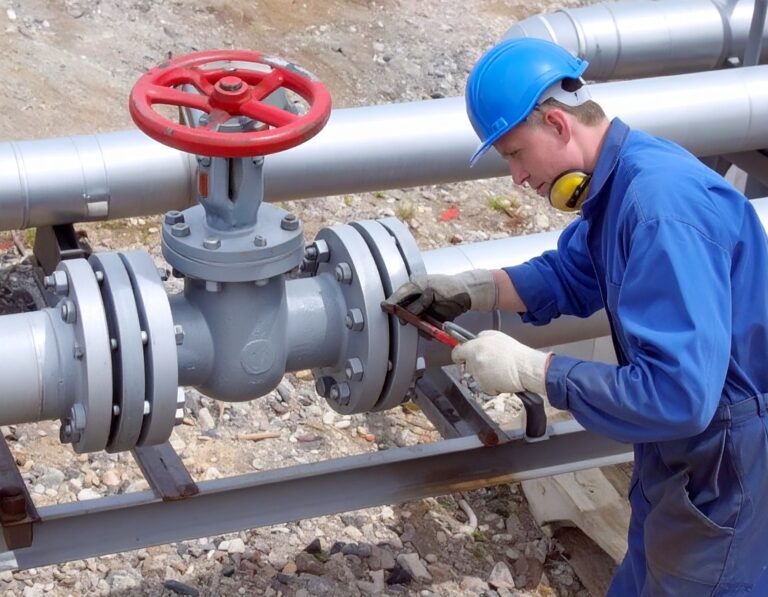
Industry observers report that inspections across hospitals, factories, and large commercial laundries are already reflecting the new standards. Businesses that fail to show documented evidence of testing face greater risk of enforcement action, including fines and possible shutdowns of unsafe systems.
| Testing Focus | What Inspectors Check in 2025 | Why It Matters for Businesses |
|---|---|---|
| Pipework Integrity | Stable pressure readings during tightness tests | Confirms safety before systems are put into service |
| Purging Procedures | Controlled removal of air or gas mixtures | Prevents explosions and incomplete combustion |
| Calibration Records | Evidence that testing equipment is up to date | Validates accuracy of all recorded results |
| Competency of Engineers | Proof of Gas Safe registration and training | Protects businesses from liability and insurance risk |
| Documentation | Test certificates and compliance reports | Required for audits, insurers, and regulators |
Flair Facilities has already seen a rise in requests for tightness testing and purging as companies prepare for the new requirements. William, spokesperson of Flair Facilities, said: “2025 is about accountability. It is no longer enough to say a test has been done. Businesses must be able to prove every step with accurate records, carried out by qualified engineers.”
The new emphasis comes as part of the UK’s wider safety strategy for mechanical and heating systems. Regulators are linking gas safety enforcement with energy efficiency goals, ensuring that systems are not only compliant but also performing without waste. For businesses, this means closer scrutiny during audits and stronger pressure to maintain accurate documentation.
Commercial operators are being advised to review their records, confirm engineer credentials, and schedule testing early to avoid bottlenecks as inspections ramp up later in the year. Insurers have also signalled that claims may be challenged if testing obligations are missed, adding financial risk to compliance failures.
With enforcement increasing, businesses across London are moving tightness testing and purging to the top of their compliance agendas. For many, Gas Safety Week 2025 will mark the first checkpoint under the new rules, but industry leaders expect monitoring to continue intensifying throughout the year.
For more information on services or to book a consultation, visit Flair Facilities or contact the team on 020 7998 9005.