London, UK — Gas Safety Week 2025 has opened with a sharp focus on commercial boiler safety, as authorities highlight the ongoing risks posed by neglected systems in workplaces across the country. The campaign, led by the Gas Safe Register, runs from 15 to 21 September and has already prompted an increase in safety inspections across London.
Commercial boilers remain one of the most heavily used gas systems in the UK, powering hot water and heating for hospitals, laundries, hotels, schools, and office complexes. Industry data shows that failures linked to poor maintenance continue to cause avoidable incidents, from gas leaks to breakdowns, with the Health and Safety Executive (HSE) warning that regulatory enforcement will intensify throughout 2025.
Flair Facilities, a London-based mechanical and heating services provider, has responded to the campaign by urging businesses to take Gas Safety Week as more than a symbolic reminder. The company notes that many firms still treat boiler checks as optional rather than as a critical compliance and safety requirement.
“Gas Safety Week is about awareness, but awareness must lead to action,” said William, spokesperson for Flair Facilities. “Commercial boilers are the beating heart of many operations, and when they fail, the consequences are immediate. We are telling clients across London to use this week as the trigger to check records, schedule inspections, and make sure their systems are legally compliant and technically safe.”
Industry analysts report that energy costs remain another driver of the campaign’s urgency. Boilers running below efficiency standards consume more fuel, adding thousands of pounds to annual operating costs. Poor combustion also raises the risk of carbon monoxide release, which regulators say remains one of the most serious hazards in commercial premises.
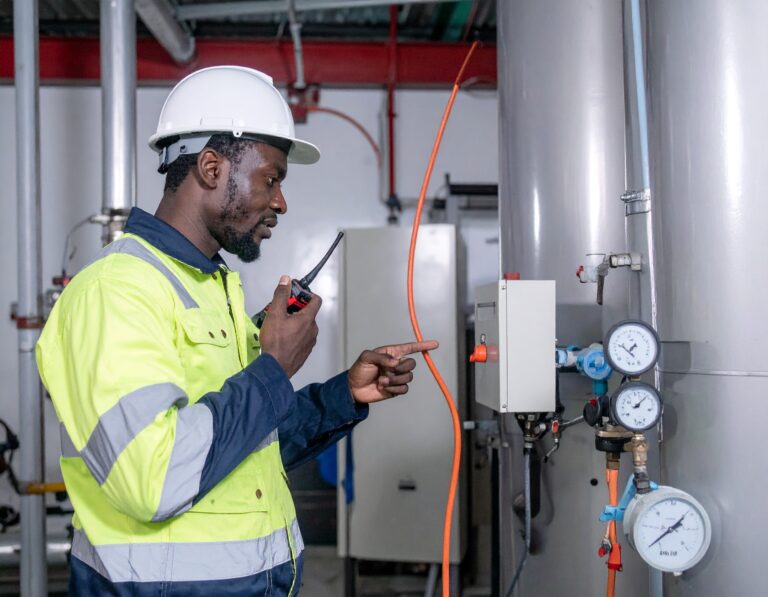
As part of the week’s educational push, engineers are highlighting the checks that matter most during servicing. The table below, compiled from technical standards, outlines the areas most often inspected and their business impact.
| Inspection Focus | Technical Parameters Engineers Evaluate | 2025 Trend Relevance & Scientific Basis | Business & Compliance Impact |
|---|---|---|---|
| Combustion Systems | CO/CO₂ ratio, flame stability, O₂ levels in flue gases | Advanced flue gas analysers track ppm emissions to meet net-zero goals | Reduced emissions, improved efficiency, compliance with carbon reporting |
| Flues & Ventilation | Pressure differentials, airflow velocity, leak detection via tracer gas | AI-based sensors model airflow to prevent stratification and backflow | Prevents CO build-up, protects staff health, meets HSE ventilation codes |
| Pressure Controls | Response of relief valves, digital monitoring of bar levels | IoT-enabled pressure sensors now offer continuous live data | Avoids overpressure failures, satisfies HSE Pressure Systems Safety Regs |
| Safety Devices | Cut-off activation thresholds, fail-safe redundancy checks | Smart shut-off valves integrated with building management systems | Instant isolation during faults, reduces risk of catastrophic failure |
| Water Treatment | pH balance, hardness removal, conductivity & corrosion rates | Inline chemical dosing systems linked to predictive analytics | Lower scaling, longer life cycles, lower energy consumption |
| Documentation | Digital compliance logs, calibration records, sensor audits | Cloud-based record-keeping supports ESG reporting and insurer demands | Streamlined audits, reduced admin, stronger legal defence |
The Gas Safe Register has also confirmed that more unannounced inspections will take place in 2025. Businesses without updated service certificates risk enforcement notices, fines, or even prosecutions under existing regulations. According to the HSE, non-compliance is not limited to small operators; larger organisations are also failing audits due to incomplete service records and reliance on unqualified contractors.
Flair Facilities has reported a surge in enquiries since the start of Gas Safety Week. Many of these come from sectors with no tolerance for downtime, including healthcare and hospitality, where reliable hot water and heating are business-critical. William explained that late action often leads to bottlenecks: “Every year we see the same pattern. Companies wait until a campaign like this to act, and then everyone is chasing inspections at once. Early planning avoids disruption and reduces costs. Businesses that delay risk paying more, waiting longer, and facing higher scrutiny from regulators.”
Gas Safety Week 2025 also aligns with the government’s broader net zero strategy, which places added emphasis on energy efficiency in commercial buildings. Regulators are encouraging property owners not only to meet minimum safety standards but also to consider upgrades that improve performance. Engineers report that well-maintained boilers deliver up to 15 percent better fuel efficiency, cutting both carbon emissions and running costs.
The campaign’s message has been echoed across London’s commercial property sector, with facility managers being urged to integrate gas safety into their wider compliance and sustainability strategies. Insurers have also issued reminders that claims may be rejected if incidents are linked to poor maintenance or absent service records.
For commercial operators, Gas Safety Week 2025 is more than a calendar event. It is a checkpoint that highlights how easily safety slips when inspections are delayed. Rising demand for certified checks shows that businesses are waking up to the urgency, but the risk remains high for those who continue to push compliance to the margins. With HSE enforcement ramping up and energy costs under constant review, missing a service now exposes firms to financial penalties, liability disputes, and the far greater danger of unsafe workplaces.
For more information on services or to book a consultation, visit Flair Facilities or contact the team on 020 7998 9005.