London, UK — The UK’s commercial heating sector is seeing a sharp focus on boiler flue innovation as new energy efficiency rules and safety standards take effect this year. Updated guidance under Building Regulations Part J has made flue design a central point of compliance, with businesses now facing closer scrutiny on exhaust discharge, material durability, and ventilation safety.
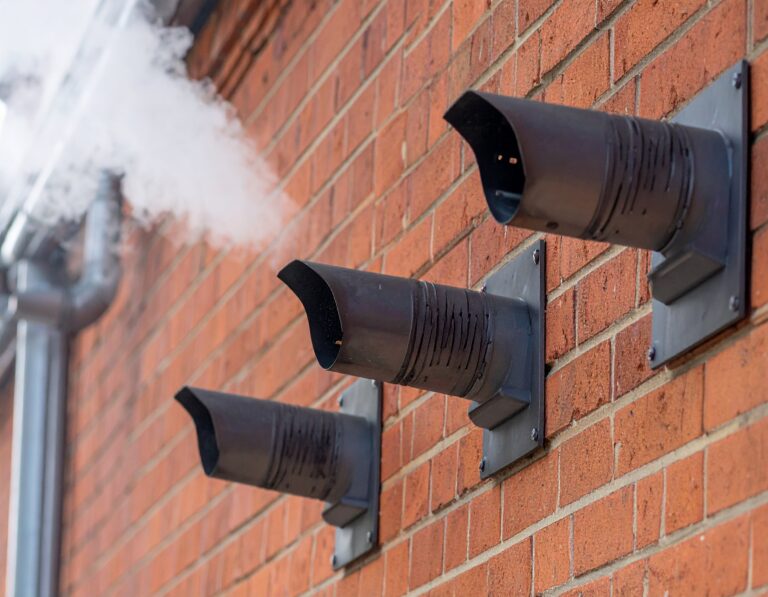
Flues, once seen as a secondary part of boiler systems, are now treated as critical infrastructure. Regulators are enforcing stricter requirements on how combustion gases are expelled, how long flues can run before efficiency drops, and what materials are approved for use. These changes are designed to reduce carbon monoxide risks, extend system lifespan, and cut wasted energy.
Industry surveys suggest that specification enquiries for flue replacements and upgrades have doubled since late 2024, particularly in high-demand sectors such as healthcare, hospitality, and industrial laundries. Engineers report that many older buildings still operate with outdated flue systems that would not pass inspection under 2025 standards.
Technological advances are helping businesses adapt. Stainless steel and corrosion-resistant linings are replacing older mild steel flues, significantly improving durability. Some systems are now fitted with integrated sensors that monitor draft, gas flow, and exhaust temperature in real time, offering both safety and operational data. Heat recovery units attached to flues are also on the rise, reclaiming waste energy from hot gases to boost boiler efficiency.
Flue Innovation in 2025: Technical Advances
| Flue Parameter | Regulatory Focus 2025 | Efficiency or Safety Outcome |
|---|---|---|
| Exhaust Gas Discharge | Minimum distances from openings and updated clearance for enclosed spaces | Reduces gas ingress and carbon monoxide exposure |
| Flue Length and Alignment | Limit on bends and maximum length to maintain correct draft | Improves efficiency and lowers risk of condensation damage |
| Material Durability | Stainless steel or treated steel required over mild steel | Longer service life and reduced corrosion failures |
| Sensor Integration | Draft and exhaust monitoring now widely adopted | Provides early warning of leaks, blockages, or inefficiency |
| Heat Recovery Units | Encouraged for large commercial systems | Reclaims 10–15% of wasted energy, cutting fuel costs |
Regulators including the Health and Safety Executive (HSE) and local building control bodies are expected to step up enforcement checks throughout 2025. Documentation of flue positioning, certification of materials, and evidence of safety testing are now routinely requested during audits.
“Flue standards have changed from a tick-box exercise to a central element of compliance and efficiency planning,” said William, spokesperson for Flair Facilities. “Many systems installed more than a decade ago will not meet current expectations, and businesses that wait until inspections arrive could face costly retrofits.”
For commercial operators, the benefits of upgrading go beyond avoiding penalties. New flue systems help reduce energy consumption by improving draft performance, ensure safer working environments by cutting the risk of gas leaks, and extend the lifespan of boiler plant rooms. The addition of smart monitoring also gives facility managers better control over performance data, allowing them to schedule maintenance more effectively.
The wider market trend shows that manufacturers are investing in aerodynamic flue designs, better corrosion protection, and modular systems that make retrofitting faster. Supply chains are expected to tighten as demand increases through 2025, particularly as large institutions plan estate-wide upgrades to meet efficiency and safety targets.
Flair Facilities, a London-based commercial heating specialist, reports rising demand for flue surveys and retrofits across hospitals, schools, and hotels. The company is advising businesses to book inspections early to avoid delays later in the year. Its Gas Safe registered engineers are carrying out site surveys, designing compliant systems, and providing certification accepted by both insurers and regulators.
The growth of flue innovation highlights how once-overlooked components are becoming a measurable factor in sustainability planning. For businesses facing rising energy prices and tightening compliance checks, flues are no longer just an exhaust pipe but a source of efficiency gains, cost savings, and safety assurance.
For more details on boiler flue upgrades or to book a consultation, visit Flair Facilities or call 020 7998 9005.
Flair Facilities takes a closer look at how modern boiler flues are quietly reshaping the UK’s approach to energy efficiency.
Smarter designs mean cleaner burns, lower bills, and systems that actually breathe better.
Find out why the flue is now central to sustainable heating in 2025 — read the full article
here.