Heating efficiency is one of the strongest drivers of sustainability goals in 2025. As energy standards tighten across the UK, businesses are now re-evaluating how every part of their heating system contributes to performance, from the boiler to the flue. Once seen as a simple exhaust pipe, the flue has evolved into a critical component of energy recovery, safety, and emissions control.
Recent updates under the UK’s 2025 Boiler Flue Innovation Standards have made flue technology a core part of the nation’s green heating strategy. These changes push industries toward systems that recycle heat, cut fuel waste, and minimise carbon output. Flair Facilities, with over 25 years of mechanical and heating experience, supports this shift by helping businesses adopt certified flue upgrades designed to meet modern efficiency and compliance standards.
How Flue Upgrades Contribute to Sustainable Heating
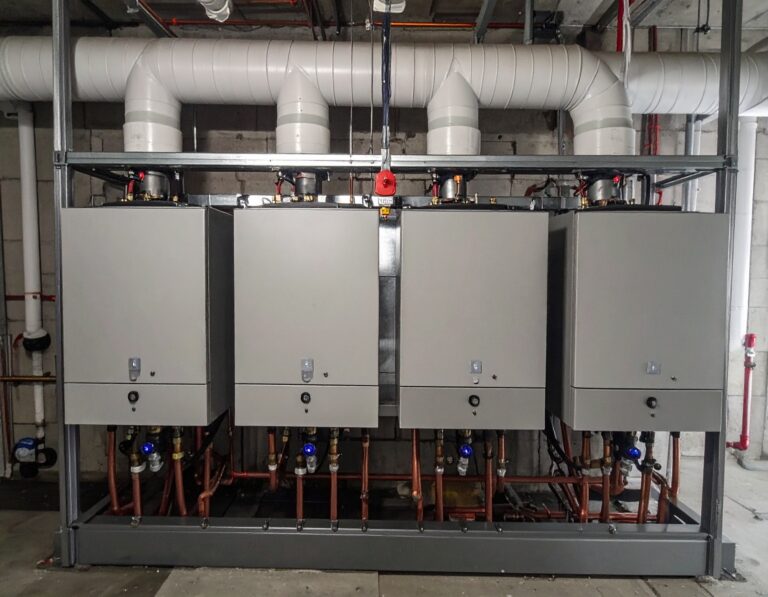
Modern boiler flues transform the way heating systems handle energy. They recover residual heat from exhaust gases through a condensation process, redirecting it into the system to increase thermal efficiency. This approach reduces both fuel consumption and CO₂ output without compromising heating performance.
Advanced flue designs balance airflow and pressure to optimise combustion. This stability enables boilers to achieve higher seasonal efficiency ratings while preventing performance loss from turbulence or temperature fluctuations. In large commercial environments such as hospitals or industrial facilities, these improvements translate to measurable energy savings and longer equipment life.
Compatibility also plays a major role. When integrated with condensing boilers, upgraded flue systems allow greater recovery of latent heat, helping buildings meet the UK’s carbon reduction goals and achieve compliance with Building Regulations Part L.
The Science Behind Flue Efficiency
Flue efficiency is built on thermodynamics and combustion control. The system captures latent heat from vapour formed during gas combustion, condenses it back into liquid, and transfers this energy into the water circuit. This process, known as heat recovery, can improve efficiency by up to 10 percent depending on system design.
Airflow dynamics are equally important. Proper draft control maintains steady pressure, ensuring that fuel burns completely and cleanly. A well-balanced flue reduces nitrogen oxide (NOx) formation and enhances boiler reliability.
The UK’s 2025 Clean Heat Market Mechanism and Part L amendments have made such performance essential. Compliance now demands flue systems that maintain low exhaust temperatures, prevent leakage, and meet corrosion resistance standards. For commercial facilities, certified installation and documentation are required for audits, insurance validation, and environmental reporting.
UK’s 2025 Standards and Their Impact on Flue Design
Under new Building Regulations Part L and the Clean Heat Market Mechanism, flue systems must now meet stricter energy performance and emission reduction requirements. Materials used in flue construction must withstand high condensation levels and low-temperature exhaust to prevent corrosion.
These regulations make it mandatory for commercial buildings to install flue systems that limit heat loss and support low-NOx combustion. For facility managers, this means regular inspections and upgrades are no longer optional—they are essential for legal compliance and operational safety.
Flue Technology, Materials, and Real-World Impact
Material science is reshaping how flue systems perform. Stainless steel offers durability and resistance to high pressures, while polypropylene delivers superior corrosion resistance and thermal insulation for condensing systems. Hybrid systems combine both properties for retrofits or high-efficiency new builds.
| Flue Material | Key Benefit | Ideal Application | Typical Efficiency Gain |
|---|---|---|---|
| Stainless Steel | High durability and temperature tolerance | Industrial plant rooms | +5–7% heat retention |
| Polypropylene | Lightweight, corrosion-resistant | Condensing boiler systems | +8–10% recovery efficiency |
| Hybrid Systems | Strength and adaptability | Retrofit and new builds | Up to +12% fuel saving |
The environmental benefits are immediate. Upgraded flues reduce CO₂ and NOx emissions, enhance air quality, and align with London’s Ultra Low Emission Zone (ULEZ) and broader corporate sustainability targets. Businesses investing in efficient flue systems not only reduce operating costs but also future-proof their sites against tightening carbon regulations.
Environmental Benefits of Boiler Flue Upgrades
Flue upgrades play a measurable role in reducing environmental impact. By recycling waste heat and minimising exhaust emissions, they lower carbon intensity per unit of energy produced. This directly supports London’s Ultra Low Emission Zone (ULEZ) objectives and national ESG reporting standards.
For businesses, investing in greener flue systems improves sustainability ratings, strengthens corporate responsibility profiles, and ensures compliance with future environmental benchmarks. It’s a cost-effective step toward cleaner operations without needing a full heating system replacement.
Integrating Flue Upgrades with Broader Green Strategies
Flue upgrades integrate seamlessly with modern low-carbon systems. When paired with heat pumps, hybrid boilers, and Building Management Systems (BMS), they enable intelligent control of temperature, airflow, and combustion.
Advanced monitoring sensors in modern flues provide real-time data on performance and emissions. This allows predictive maintenance, reduces downtime, and ensures the heating plant operates within optimal parameters. These integrations transform traditional heating setups into smart, sustainable energy systems built for future efficiency standards.
Delivering Certified Boiler Flue Upgrades
With more than two decades of experience, Flair Facilities specialises in commercial heating systems that meet the highest safety and efficiency standards. Every installation is handled by Gas Safe engineers with expertise in modern flue technology.
The company provides documentation that satisfies regulatory and insurance requirements and supports clients in achieving consistent performance across hospitals, schools, hospitality sites, and industrial premises. Each project is designed to maximise efficiency while aligning with the UK’s 2025 sustainability agenda.
Building a Greener Future Through Smarter Flue Systems
Boiler flue upgrades are central to modern sustainability planning. They transform heating systems from basic exhaust solutions into efficient, low-emission assets that support the UK’s green transition. With efficiency regulations tightening, now is the ideal time for businesses to invest in flue technology that guarantees compliance, reliability, and measurable carbon savings.
Flair Facilities provides London businesses with certified installation, maintenance, and consultation for advanced flue systems built to last. For professional advice or to schedule an upgrade, contact the Flair Facilities team today.
Explore our Services here:
- Commercial Gas Boiler Services
- BMS Services
- Commercial Boiler Pump Services
- Gas Purging Services
- Commercial Kitchen and Gas Catering Engineers
- Water Booster Pump Services
- Pressure Testing Services
- Gas Safety Certificate CP42
Frequently Asked Questions
Upgraded flues improve combustion efficiency by capturing heat that would otherwise escape through exhaust gases. This recovered heat is redirected into the heating system, meaning the boiler burns less fuel to achieve the same output. Over time, the savings can reach double-digit percentages, especially in large commercial facilities.
The 2025 energy framework links heating system efficiency directly to carbon reduction targets. Under these rules, flues must demonstrate lower exhaust temperatures, improved insulation, and certified heat recovery performance. Businesses that delay upgrades risk non-compliance and higher energy costs due to system inefficiency.
Most commercial boilers can be retrofitted with new flue systems, provided the existing unit operates safely and meets baseline performance criteria. Certified engineers can assess whether the boiler’s pressure, temperature, and exhaust conditions are compatible with modern flue designs before installation.
Traditional flues release hot exhaust gases directly into the atmosphere, wasting energy. Advanced flue systems use condensing technology to cool those gases, capturing latent heat before venting. The result is cleaner combustion, lower emissions, and measurable energy recovery that improves long-term boiler performance.
Modern flue systems stabilise combustion and reduce incomplete burning, which lowers harmful NOx and CO₂ emissions. When paired with low-NOx burners or condensing boilers, these upgrades significantly cut the carbon footprint of commercial heating systems while improving indoor and outdoor air quality.
Yes. In hybrid setups, where gas boilers support heat pumps, upgraded flues maintain combustion efficiency while allowing seamless transitions between energy sources. They’re a crucial component in mixed-technology heating strategies that balance cost, sustainability, and reliability.