Is your commercial boiler working harder than it should? Are you dealing with temperature inconsistencies, pump noise, or frequent maintenance issues? These are common problems in large heating systems—especially when there’s no flow management between the boiler and the distribution network. That’s where the low loss header comes in.
Also known as a hydraulic separator, a low loss header helps your heating system run more efficiently, extends boiler life, and prevents issues like short cycling or pump wear. In this guide, we’ll break down what it is, why it matters, and how to know if your system needs one.
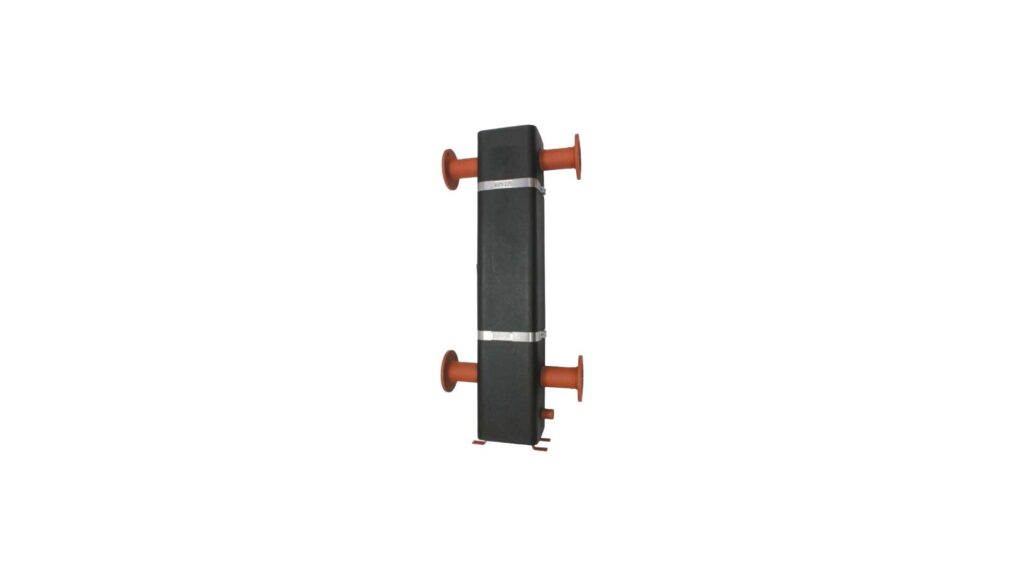
What Is a Low Loss Header?
A low loss header is a device used in hydronic heating systems to create hydraulic separation between the boiler circuit (primary side) and the building heating circuit (secondary side). This ensures both circuits can operate independently with the correct flow rates and pressures.
It’s especially useful in:
- Commercial buildings with multiple heating zones
- Systems with variable flow rates
- High-efficiency condensing boilers
- Plant rooms with complex system layouts
By decoupling the primary and secondary circuits, a low loss header prevents the two loops from interfering with each other—maintaining stability and efficiency.
Why Do Commercial Boilers Need Hydraulic Separation?
In large systems, flow rate imbalances are common. The boiler may require a constant flow to operate efficiently, while the building zones may call for different flow rates depending on demand. Without hydraulic separation:
- The boiler can short cycle, turning on and off rapidly
- Pumps may fight against each other, creating excess pressure
- The system may experience temperature fluctuations
A low loss header solves this by acting as a neutral point. It allows water to circulate properly on both sides without disrupting the other. This leads to better performance and fewer breakdowns.
How a Low Loss Header Improves Boiler Efficiency
1. Flow Stabilization
It ensures steady flow through the boiler, even when the secondary circuit demand changes. This avoids pump overloading and pressure swings.
2. Short Cycling Prevention
Boilers, especially condensing types, operate best with a consistent load. A low loss header provides that, reducing energy waste and extending boiler lifespan.
3. Better Temperature Control
When each side of the system can manage its own flow, temperature delivery becomes more consistent—reducing cold spots and overheating in different zones.
4. Boiler Modulation Efficiency
Modern boilers adjust their output to match system demand. Stable flow helps them modulate more effectively, maximizing seasonal efficiency.
Integrated Air & Dirt Separation: Hidden Bonus
Many low loss headers come with built-in air vents and dirt separators, making them even more valuable. These features help:
- Remove microbubbles and air pockets
- Extract sludge, magnetite, and debris
- Protect sensitive components like pumps and valves
Cleaner water means better heat transfer efficiency and lower maintenance costs.
Low Loss Header vs Buffer Tank: What’s the Difference?
| Feature | Low Loss Header | Buffer Tank |
|---|---|---|
| Main Purpose | Flow separation | Thermal energy storage |
| Size | Compact | Larger, more space required |
| Flow Control | Yes | No |
| Used For | Multi-zone systems, flow balancing | Reducing boiler short cycling |
| Heating Benefit | Flow stability | Extra water volume for steady temps |
These two components can work together in some commercial setups. However, their functions are distinct: a low loss header manages flow, while a buffer tank manages heat storage.
Using a Heat Exchanger with a Low Loss Header
In many commercial systems, a plate heat exchanger is used alongside a low loss header. Here’s why:
It separates the clean boiler loop from the dirty building side
It prevents sludge and corrosion from entering the boiler
It allows connection to older or incompatible heating loops
Together, these components create a high-efficiency, low-maintenance solution that protects the boiler and delivers consistent heating performance.
Signs Your Heating System Might Need a Low Loss Header
Short cycling or rapid boiler on/off cycles
Noisy or overworked pumps
Uneven heating across zones or radiators
Integration of new boilers with old pipework
Poor modulation from condensing boilers
Maintenance issues related to flow or pressure
If you notice these issues, a low loss header may be a smart investment.
Installation Considerations and Best Practices
Placement: Typically installed between the boiler and distribution circuits
Orientation: Available in vertical or horizontal configurations
Sizing: Based on flow rate, not just pipe diameter
Material: Stainless steel or brass preferred for durability
Accessibility: Leave space for servicing and future expansion
Always consult a qualified heating engineer to design the correct setup for your specific building and system load.
Pros and Cons of Low Loss Headers
Pros:
Improved system balance
Reduced wear on components
Increased boiler efficiency
Fewer service calls
Built-in air and dirt separation
Cons:
Additional upfront cost
Requires space in the plant room
Needs correct sizing to work effectively
Is a Low Loss Header Right for Your System?
If your commercial heating system suffers from short cycling, fluctuating temperatures, or flow issues, a low loss header could be the key to unlocking better performance and longer equipment life.
Combined with a plate heat exchanger, it provides a modern, efficient, and low-maintenance heating setup ideal for complex buildings and demanding loads.
Need help integrating low loss headers or upgrading your boiler system? Get expert advice and solutions tailored to your building’s needs here! Contact us!Pro tip: Always consult a heating specialist to assess your system and design the right configuration for long-term success.
Explore our Services here:
- Commercial Gas Boiler Services
- BMS Services
- Commercial Boiler Pump Services
- Gas Purging Services
- Commercial Kitchen and Gas Catering Engineers
- Water Booster Pump Services
- Pressure Testing Services
- Gas Safety Certificate CP42
Frequently Asked Questions
If your system has multiple zones, inconsistent flows, or frequent short cycling, a low loss header is highly recommended.
A low loss header manages flow separation. A buffer tank manages heat storage. They solve different problems.
Yes. It prevents common issues like pump strain and short cycling, which reduces the need for emergency callouts.
Most modern commercial boilers are compatible. The key is ensuring proper sizing and system design.
Look for signs like radiator cold spots, brown/black water on draining, or gurgling sounds in pipes.
Yes. Together, they provide flow control and contamination protection—a smart setup for commercial applications.
They add some cost upfront but usually pay for themselves in energy savings and reduced repairs.
Inspect annually. Clean if fouled. Preventive maintenance ensures uninterrupted efficiency.