A twin-head pump is built for reliability in systems where circulation must never stop. You’ll often find it in commercial heating networks, hot water loops, or chilled water systems that need constant flow. The design allows one head to support the other through alternating duty, shared load, or standby backup.
But when only one head is working, the balance is lost. It might look harmless at first, but this imbalance creates strain, inefficiency, and risk of complete system failure if ignored. Understanding what happens in this condition helps prevent costly breakdowns and downtime.
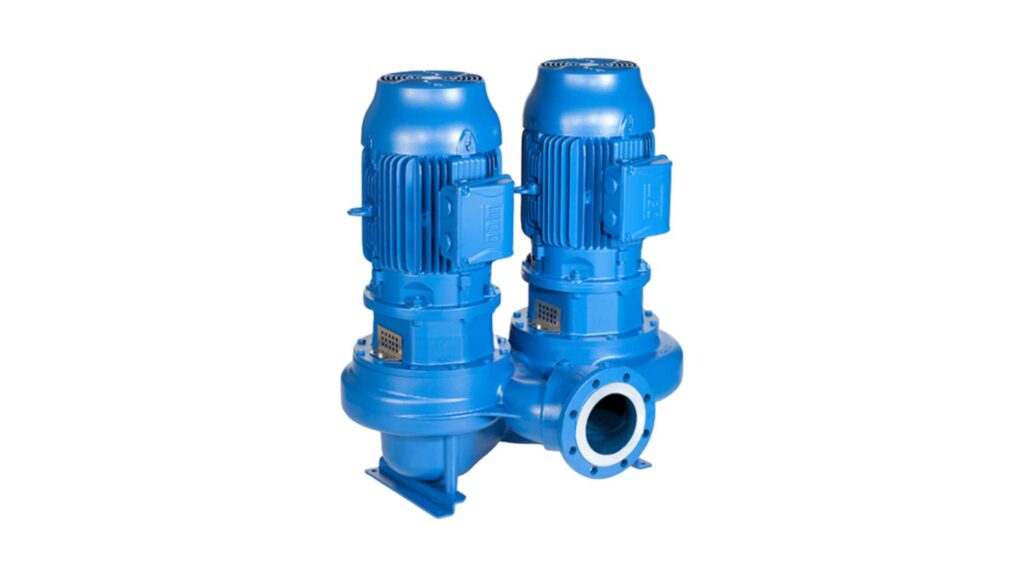
What Is a Twin-Head Pump and Why Is It Used?
A twin-head pump is designed to achieve uninterrupted service in systems where flow must never stop. Each head can operate independently or simultaneously, depending on system requirements. In most installations, it is configured in one of three modes:
- Duty and Standby. One head runs while the other remains on reserve, ready to take over if the first fails.
- Duty and Assist. Both heads run together during high demand to maintain required flow and pressure.
- Alternating Duty. Control systems automatically switch between the two heads at set intervals to distribute wear evenly.
This arrangement allows engineers to maintain circulation even during servicing, distribute operational stress, and prevent mechanical fatigue. The design ensures that systems supplying heating, cooling, or hot water can operate continuously without interruption.
Can You Run a Twin-Head Pump with Only One Working Head?
A system can technically run on one pump head, but only as a short-term measure. Doing so places excessive demand on the remaining motor and removes all redundancy. Systems that depend on continuous circulation, such as those found in commercial buildings, hospitals, and hotels, become highly vulnerable to complete shutdown if the active head fails. What may seem like a temporary fix often becomes the beginning of accelerated wear and reduced efficiency.
Consequences of Running a Twin-Head Pump on One Head Only
1. Loss of Redundancy and Safety Margin
When redundancy disappears, any failure in the active pump leads to a full system shutdown. This could mean loss of heating, cooling, or hot water supply. In commercial environments, that translates to emergency call-outs, disruption to building occupants, and potentially serious damage to heat exchangers or pipework due to overheating or freezing.
2. Accelerated Wear and Premature Failure
A twin-head pump is designed to share its workload. If one side carries all the load continuously, bearings, seals, and impellers experience accelerated wear. Without rest or alternation, temperatures rise and lubrication breaks down faster, shortening the motor’s life. What’s meant to be a balanced system turns into a single point of failure.
3. Decline in System Efficiency
Under variable demand, twin-head setups offer smoother flow and better control. With one head out of service, the system may no longer respond accurately to changing loads. Pressure may drop during peak operation, temperature control may fluctuate, and energy use may climb as the remaining motor runs harder to compensate.
In advanced BMS-controlled networks, this often triggers flow alarms or persistent imbalance errors, indicating that system performance has fallen below design efficiency.
4. Escalating Maintenance and Operating Costs
Running on one head may seem cheaper in the short term, but it leads to more frequent servicing and unplanned repairs. The single working pump faces greater mechanical stress, and once it fails, the entire system goes offline. Emergency call-outs cost far more than routine scheduled maintenance, and in large commercial sites that downtime can affect building compliance and occupant comfort.
How Long Can a System Run on One Head?
There’s no single rule, but engineers generally treat it as a temporary measure lasting days, not months. The acceptable duration depends on system size, load variation, and whether the operating pump is oversized enough to handle the full duty. In critical or high-demand environments such as hospitals or hotels, running for more than a few days on one head is already pushing the limit. Even in smaller systems, this should never be considered normal operation.
Importance of Prompt Repair or Replacement
A functioning twin-head pump provides efficiency, balance, and operational security. Restoring both heads to service eliminates unnecessary risk and maintains the system’s integrity. Delayed repair may appear cost-effective, but it allows hidden wear to develop, which often becomes visible only after the working head fails.
To preserve performance and system longevity:
Repair or replace faulty components immediately to restore full redundancy and prevent complete system shutdown.
Maintain both heads in active condition to balance mechanical load and extend equipment lifespan.
Test both pumps regularly to verify operation and detect early signs of imbalance or wear.
Alternate duty cycles periodically to distribute running hours evenly and avoid overuse of one head.
Follow scheduled maintenance intervals to ensure consistent pressure, flow, and efficiency across the entire system.
A twin-head pump with one inactive side is not operating at its intended design capacity. Prompt restoration ensures reliability, protects investment, and prevents the gradual degradation that leads to system failure.
Explore our Services here:
- Commercial Gas Boiler Services
- BMS Services
- Commercial Boiler Pump Services
- Gas Purging Services
- Commercial Kitchen and Gas Catering Engineers
- Water Booster Pump Services
- Pressure Testing Services
- Gas Safety Certificate CP42
Operating a twin-head pump with only one active head is temporary and unsafe. The system may still circulate water, but the strain increases with every hour of use. Efficiency drops, wear accelerates, and the risk of failure rises. Both heads must function together to maintain design performance and system reliability.
Immediate repair restores balance, prevents unnecessary costs, and protects the installation from complete shutdown. A twin-head pump represents reliability in critical systems. Keeping both heads operational preserves that reliability and keeps the facility running without interruption.
Pro tip: Always inspect twin-head pumps during routine service visits, and log any head that’s inactive. Early diagnosis is key to avoiding bigger problems later.
Frequently Asked Questions
No — this should only be a temporary solution. A twin-head pump is designed for redundancy and load sharing. Running only one head increases the risk of failure and reduces system reliability.
If there’s no backup operational, your entire heating or cooling system could shut down, potentially leading to equipment damage, tenant complaints, or even health and safety risks in critical environments.
It might seem cheaper short-term, but the single head will wear out faster, resulting in more frequent repairs or early replacement. Long-term, it’s more cost-effective to maintain both heads in working condition.
Check for:n1. No power to one side of the pumpnn2. No vibration or sound during operationnn3. BMS/alarm alerts for redundancy failurenn4. Imbalanced flow or pressure readingsnnA service engineer can verify this with a physical inspection or system diagnostics.
That depends on the system load. In low-demand systems, one head may suffice temporarily. But during peak usage (e.g. winter heating or full building occupancy), the single pump may not keep up.
As soon as possible. Delaying repair removes system redundancy and exposes you to unexpected failures and downtime, especially in high-demand environments.