Discover the health dangers of asbestos, how it affects the body, and what UK landlords and property owners must do to stay compliant and protect lives.
Asbestos does not need to be touched to cause harm. Once disturbed, its fibres float through the air, lodge deep in the lungs, and remain there for years, slowly damaging tissue. The body cannot break them down. This exposure does not disappear. It develops into cancer, breathlessness, and permanent scarring.
Even with the UK ban, asbestos still exists in older homes, schools, flats, and boiler rooms. The threat often goes unnoticed. When something goes wrong, the legal and health consequences fall on landlords and building managers. Knowing where asbestos may be and what steps to take can prevent serious outcomes.
Why Should UK Property Owners Be Concerned About Asbestos?
Asbestos was banned in the UK in 1999, yet it remains in thousands of buildings constructed before 2000. Its hidden presence poses health and legal risks for landlords and commercial property owners. If disturbed, asbestos can release microscopic fibres that linger in the air and enter the lungs. Under UK law, property owners have a duty of care to identify, manage, and document any asbestos-containing materials. Failing to do so can lead to legal action, tenant health issues, and long-term financial penalties.
What Happens Inside the Body When Asbestos Is Inhaled?
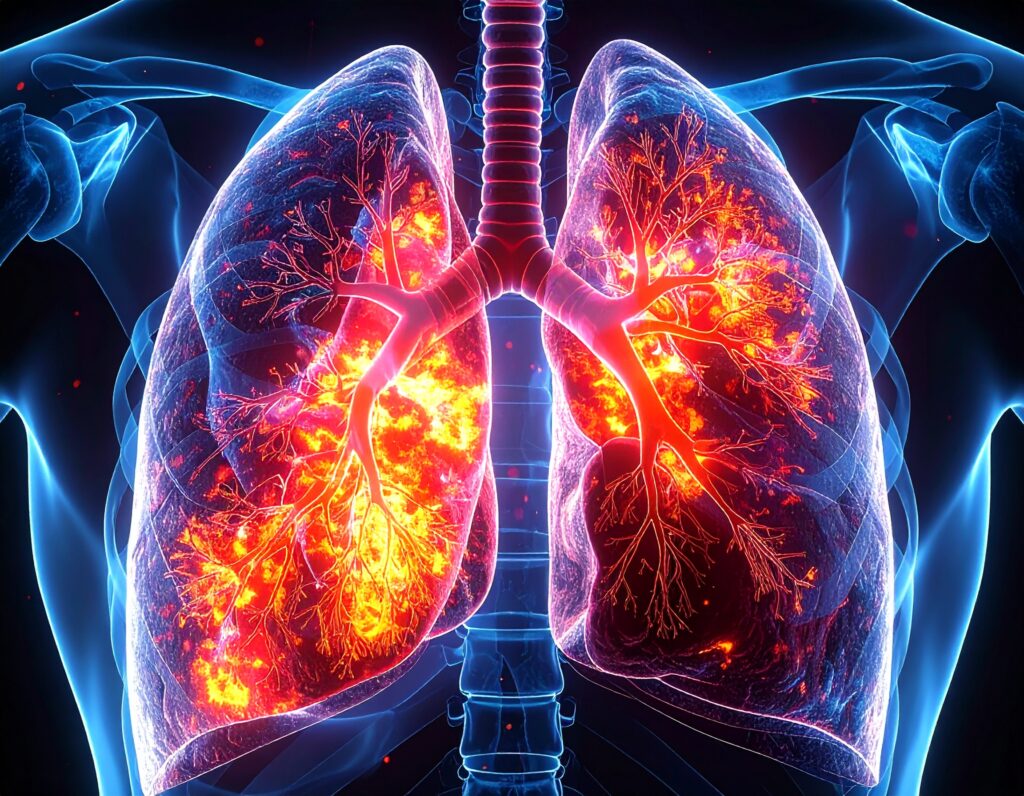
When asbestos fibres are inhaled, they travel deep into the lungs. The body attempts to trap them using immune responses, but these fibres resist breakdown. Over time, inflammation develops as the immune system reacts to the fibres. This ongoing irritation damages lung tissue and can lead to irreversible scarring, mutations, and eventually cancer. Unlike other particles the lungs might clear naturally, asbestos remains embedded, creating long-term health threats.
Which Medical Conditions Are Linked to Asbestos Exposure?
Asbestos-related illnesses are severe, often fatal, and slow to develop. Key conditions include:
Condition | Cause | Symptoms | Latency Period |
Mesothelioma | Long-term fibre irritation | Chest pain, breathlessness, weight loss | 20–50 years |
Asbestosis | Chronic inflammation and scarring | Shortness of breath, fatigue | 10–20 years |
Pleural Thickening | Inflammation of pleural lining | Chest tightness, reduced lung function | 15–30 years |
Lung Cancer | Mutation from fibre exposure | Persistent cough, chest infections | 15–40 years |
Each of these conditions has no cure. Survival depends heavily on early diagnosis and limited exposure.
How Can Asbestos Exposure Happen in UK Properties Today?
Despite legal bans, exposure still happens during routine building work. Drilling, cutting, or damaging materials like ceiling tiles, pipe lagging, cement panels, and sprayed coatings can release airborne fibres. Flats, offices, warehouses, and schools often hide asbestos behind walls or within plant rooms. Exposure usually affects tradespeople, tenants, or property owners who disturb these materials unknowingly. One careless renovation can trigger wide-scale contamination.
What Are the Health and Legal Responsibilities of UK Property Owners?
The Control of Asbestos Regulations 2012 sets out specific duties. Landlords must assess the presence and condition of asbestos. This includes commissioning surveys, informing occupants, maintaining records, and taking action to manage or remove asbestos where needed. The law also states that only qualified professionals may perform asbestos-related work. Ignoring these duties is not just a breach of law, but a risk to human life and health.
What Role Do Asbestos Surveys Play in Preventing Harm?
There are two main types of surveys: management surveys and refurbishment/demolition surveys. Management surveys identify asbestos for ongoing monitoring, while the second type is mandatory before major work begins. Surveys involve inspecting materials, testing samples, and documenting findings in a register. This helps prevent accidental disturbance and ensures legal compliance. The report outlines material location, type, and necessary action.
How Can You Minimise Risk If Asbestos Is Found?
If asbestos is detected, do not disturb it. DIY removal is illegal and unsafe. Licensed asbestos contractors should assess the situation and recommend either removal or managed containment. Not all asbestos needs to be removed. Sometimes, sealed and monitored materials pose less risk than full-scale disturbance. Choosing the right course depends on location, condition, and usage of the building.
What Are the NHS and HSE Recommendations on Exposure?
The NHS advises anyone exposed to asbestos, especially repeatedly, to inform their GP. They may be monitored for signs of respiratory issues or referred for scans. Symptoms to watch for include persistent cough, shortness of breath, and chest pain. The Health and Safety Executive sets exposure limits and provides rules for handling asbestos safely. Their guidance supports employers and property owners in meeting legal and safety standards.
Explore our Services here:
- Commercial Gas Boiler Services
- BMS Services
- Commercial Boiler Pump Services
- Gas Purging Services
- Commercial Kitchen and Gas Catering Engineers
- Water Booster Pump Services
- Pressure Testing Services
- Gas Safety Certificate CP42
Awareness is the first defence against asbestos. UK property owners must meet legal obligations and protect occupants from a threat that is invisible but deadly. Waiting for signs of damage or exposure is a gamble that risks health, lawsuits, and financial loss. Acting early with proper surveys, maintenance, and professional advice avoids future complications and saves lives.
Frequently Asked Questions
Yes, it can. While serious conditions like mesothelioma usually follow long-term exposure, even a one-time incident could lead to problems if a large amount of dust was inhaled. The risk depends on fibre concentration, duration, and your personal health history.
You’ll often find it in pipe insulation, ceiling tiles, textured coatings, boiler rooms, floor tiles, and cement panels. Many pre-2000 homes and commercial buildings still have asbestos-containing materials in areas not easily visible.
Crocidolite, or blue asbestos, is considered the most harmful. Its thin, sharp fibres lodge deep into lung tissue and are harder for the body to remove. However, all types of asbestos can cause serious illness over time.
Most conditions take 10 to 40 years to show symptoms. That delay is why many people do not connect their illness to past asbestos exposure. Early screening can make a big difference once exposure is known.
Shortness of breath, a dry cough that doesn’t go away, chest pain, and unexplained fatigue are common warning signs. Anyone with a history of exposure should speak to a GP if these symptoms appear.
Absolutely not. DIY removal is illegal in many situations and dangerous in all. You risk spreading fibres throughout the property and putting yourself and others in harm’s way. Always use licensed asbestos professionals.