Discover the truth about asbestos, its hidden risks, and why exposure can harm health in homes, schools, and workplaces. Stay informed and protect safety.
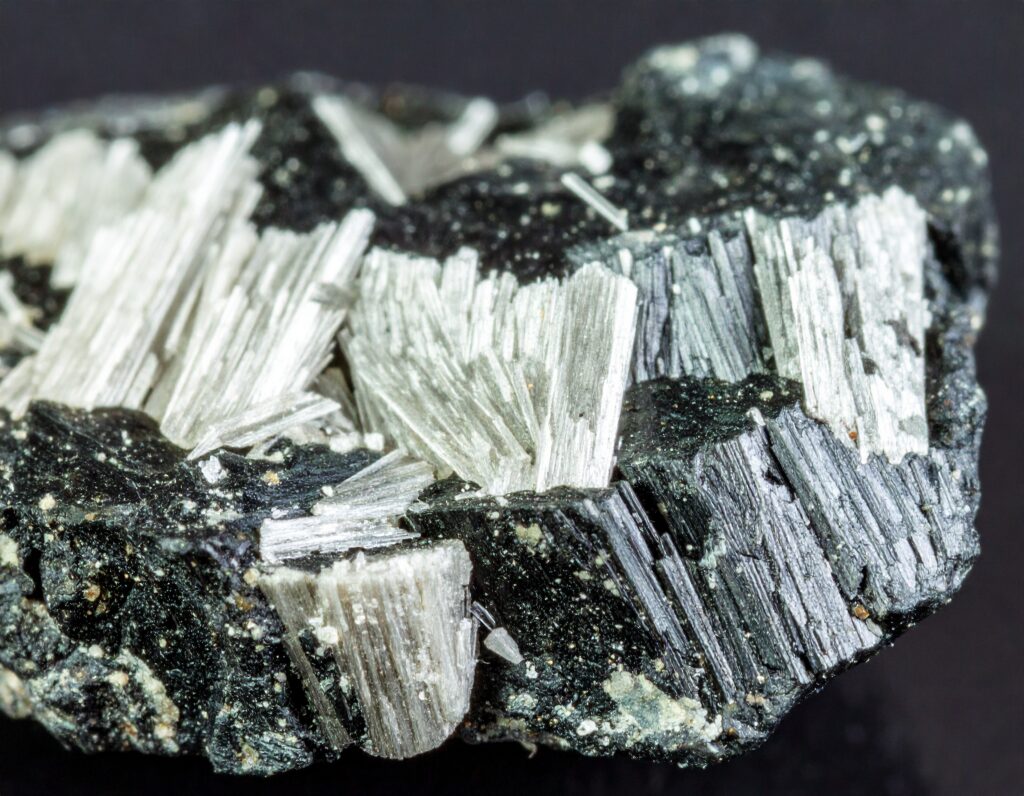
Asbestos is a group of naturally occurring minerals made up of thin, fibrous crystals. For decades, it was praised for its heat resistance, insulation properties, and strength. These qualities made it a popular material in building construction, particularly between the 1950s and 1980s. It was used in roofing, pipe insulation, floor tiles, cement, boilers, and even decorative ceilings. While it seemed like a miracle material at the time, the long-term effects of asbestos exposure revealed an alarming truth.
What Makes Asbestos Harmful to Health?
The danger of asbestos lies in its fibres. When disturbed, these microscopic particles become airborne and can be inhaled. Inside the lungs, they embed into tissue and remain for years, often without immediate symptoms. Over time, repeated exposure can scar lung tissue, trigger cancerous changes, and disrupt breathing. What makes it worse is that even a small amount of exposure can be harmful if it occurs over a long period.
What Health Problems Are Caused by Asbestos Exposure?
Asbestos exposure has been directly linked to several serious illnesses. These conditions usually take years or even decades to develop, which often delays diagnosis.
- Asbestosis is a chronic lung condition where scar tissue builds up and restricts breathing.
- Mesothelioma is a rare cancer found in the lining of the lungs and abdomen, almost always caused by asbestos.
- Lung cancer risk increases significantly when asbestos exposure is combined with smoking.
- Pleural thickening leads to shortness of breath and chest pain, particularly in long-term exposures.
The damage usually takes years to show symptoms, which is why many victims are diagnosed too late. Unlike most environmental hazards, asbestos is lethal in small amounts when inhaled repeatedly.
Where Could Asbestos Still Be Found Today?
Although the UK banned asbestos use in 1999, many older buildings still contain asbestos materials. These are usually safe when undisturbed, but maintenance or renovation work can release fibres into the air.
Common hiding spots include:
- Pipe lagging
- Textured ceiling coatings
- Floor tiles
- Cement roofs and panels
- Boiler insulation
Properties built before the 2000s should always be surveyed before refurbishment to identify asbestos-containing materials (ACMs).
Types of Asbestos and Their Common Uses
Each type of asbestos has different physical properties and levels of risk. Understanding them helps identify potential sources in commercial and residential buildings. Here’s a quick reference table for clarity:
Type of Asbestos | Colour | Common Uses | Risk Level |
Chrysotile | White | Roofing, ceilings, walls, floors, pipe insulation | High |
Amosite | Brown | Cement sheets, insulation, ceiling tiles | Very High |
Crocidolite | Blue | Spray coatings, pipe insulation, cement products | Extreme |
Anthophyllite | Grey-green | Insulation, some paints and sealants | Moderate |
Tremolite | White/Green | Contaminant in talc and vermiculite | High |
Actinolite | Dark Green | Construction materials and sealants | High |
Chrysotile was the most commonly used, but all forms are now classified as carcinogenic. Even though some materials are banned, older buildings still contain many of them. Renovation or demolition work is where exposure risk becomes critical.
Is Asbestos Still Legal Anywhere?
In the UK, asbestos is fully banned in new construction. However, legacy installations still pose a threat. Other countries continue to mine or use asbestos in various products. This global disparity keeps the risk alive, particularly when importing products or materials. While asbestos is not actively added to UK buildings, managing the risk in older ones remains a legal obligation.
What Should You Do If You Suspect Asbestos?
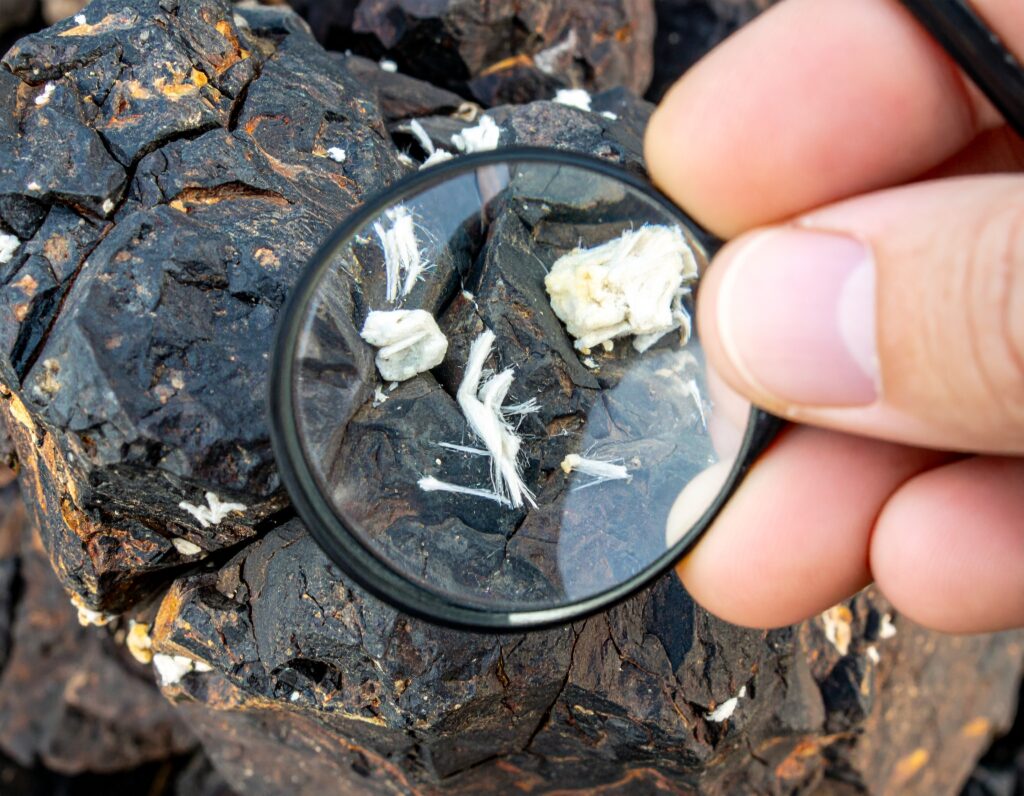
Never try to remove or disturb suspected asbestos yourself. Even minor damage can release harmful fibres. The first step is to contact a licensed asbestos surveyor. Professionals conduct thorough inspections, assess the risk level, and advise on containment or removal. HSE regulations require strict handling, and unauthorised removal is not only dangerous but illegal.
Why Early Detection and Management Matter
Detecting asbestos early prevents fibres from entering the air. Regular building inspections, especially in commercial properties, help identify risks before work begins. Managing asbestos doesn’t always mean removing it. In many cases, it can be safely sealed and monitored unless disturbed. What matters is knowing where it is and taking the right steps before anyone is exposed.
How Is Asbestos Safely Removed?
Removal starts with a detailed survey. Once confirmed, the process involves sealing the area, using protective suits and respiratory equipment, and applying negative air pressure to prevent fibres from escaping. Licensed contractors follow a strict disposal chain to ensure materials don’t enter the environment. Some low-risk work may fall under non-licensed categories, but most removals require full certification and HSE notification.
Explore our Services here:
- Commercial Gas Boiler Services
- BMS Services
- Commercial Boiler Pump Services
- Gas Purging Services
- Commercial Kitchen and Gas Catering Engineers
- Water Booster Pump Services
- Pressure Testing Services
- Gas Safety Certificate CP42
Asbestos may no longer be used, but its presence in older buildings still demands respect and careful management. Understanding what asbestos is, how it harms health, and what steps to take when it’s found helps prevent unnecessary exposure. Whether you’re a property manager, tenant, or building owner, staying informed and proactive is the safest way forward.
Frequently Asked Questions
No. Blue (crocidolite) and brown (amosite) asbestos are considered more dangerous than white (chrysotile), but all forms carry risk.
Yes. Many materials in homes built before 2000 could contain asbestos. An inspection is the only reliable way to find out.
Mostly, yes. Asbestos is most dangerous when disturbed. If it remains sealed and untouched, it poses little immediate risk.
Not always. If it’s intact and undisturbed, it can often be managed in place. Removal is required if it becomes damaged or if refurbishment work is planned.
Generally, no. Exposure happens when fibres are airborne. Walking near sealed or undisturbed asbestos materials is usually safe.
It can take 10 to 40 years for symptoms to appear, which makes tracking exposure history important.