A commercial steam boiler is one of the most powerful and sensitive pieces of heating equipment used in industrial and large-scale commercial buildings. Its performance depends entirely on how well it is installed. Even high-grade boilers with excellent factory specifications can suffer from pressure instability, fuel waste, or safety hazards if the installation is inaccurate.
Steam systems operate under high temperature and pressure. Any installation error affects steam quality, distribution, and operational reliability. This is why industrial clients, facilities managers, and property owners rely on certified specialists to carry out the work with precision.
Flair Facilities provides professional steam boiler installation across London. Our engineers are trained to deliver accurate setup, safe integration with existing plant systems, and full compliance with UK industrial heating regulations. Our installations support factories, hospitals, schools, commercial buildings, and other sites that depend on reliable steam generation.
Why Proper Installation Is Critical for Steam Boiler Safety
The installation stage determines how safely and efficiently a steam system will operate throughout its lifespan. Steam boilers generate high pressure and high temperature, which means any error in alignment, venting, or calibration introduces unnecessary risk. A boiler that is not installed correctly can struggle with unstable pressure, inefficient heat transfer, or accelerated wear. Over time these issues affect both safety and cost.
Incorrect pipework or joint preparation can lead to steam leaks that weaken pressure stability and put strain on the boiler shell. Faulty safety valve settings prevent the boiler from relieving excess pressure. A poorly aligned burner affects combustion performance, which increases fuel consumption and releases incomplete combustion by-products. Condensate systems installed without proper gradients cause water hammer and corrosion. Certified engineers prevent these problems through controlled installation procedures that follow Pressure Systems Safety Regulations and Building Regulations Part L.
By ensuring correct pipe sizing, controlled venting, and accurate calibration of combustion components, professional engineers provide the foundation for safe system operation. Each setting and connection influences long-term performance and must be configured with exact measurements.
Professional Steam Boiler Installation Process
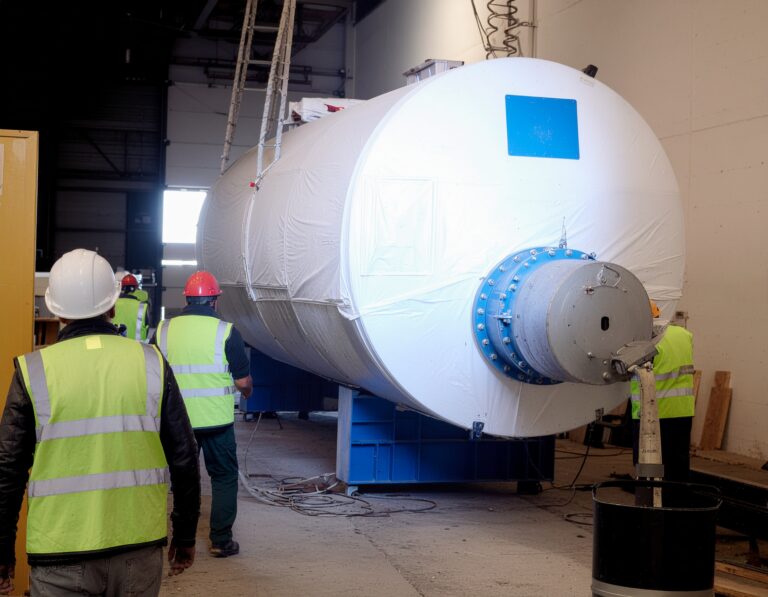
A professional steam boiler installation follows a controlled engineering process. Every stage affects safety, pressure stability, steam quality, and long term efficiency. Engineers treat the installation as a full system build rather than a simple equipment fitting.
1. Site Assessment and Load Analysis
Engineers examine the building layout, available space, ventilation paths, and access routes. They calculate steam demand based on production schedules, heat load profiles, and required pressure levels. This stage defines the correct boiler capacity and the configuration of pipework, condensate return, and fuel supply.
2. Boiler Selection and Technical Specification
The correct boiler model is chosen after evaluating several technical criteria:
• Required pressure class and expected duty cycle
• Combustion efficiency rating and burner type
• Feedwater quality and compatibility with existing treatment systems
• Integration needs for control panels, safety interlocks, and remote monitoring
The chosen boiler must match both expected operational load and the physical constraints of the plant room.
3. System Integration and Mechanical Assembly
Engineers install the boiler on reinforced supports and begin mechanical integration. This includes:
• Feedwater connections sized to maintain steady supply at expected pressure
• Steam headers positioned for smooth distribution without turbulence
• Blowdown systems configured for safe disposal and thermal protection
• Condensate return lines installed with correct gradient to avoid water hammer
• Insulation applied to all high temperature surfaces to maintain thermal efficiency
Connections are made using materials rated for specific temperature and pressure thresholds.
4. Instrumentation, Controls, and Safety Setup
All instrumentation is fitted and calibrated according to manufacturer specifications. This includes level controls, low water cutoff devices, pressure gauges, temperature sensors, and safety valves. Engineers configure burner controls and verify communication between sensors, actuators, and the main control panel. Electrical connections are tested for sequencing, emergency shutdown logic, and fault recognition.
5. Testing, Commissioning, and Performance Validation
The boiler is filled, vented, and test fired under controlled conditions. Engineers record key performance metrics:
• Steam pressure stability
• Temperature uniformity
• Burner flame quality and combustion efficiency
• Response of safety shutdowns and interlocks
• Condensate return performance
The boiler must reach its rated steam output without fluctuation or instability. Once performance is confirmed, engineers produce commissioning documents, calibration records, and compliance certificates for regulatory audits.
Steam Boiler Installation Challenges and Solutions
Professional engineers address technical issues that often appear in non-specialist installations. These problems reduce system efficiency and may create unsafe operating conditions.
Common installation challenges include:
Incorrect pressure rating which reduces steam flow consistency and increases load on pumps and pipework. Engineers calculate appropriate pressure zones and pipe diameters to prevent this issue.
Poor condensate return design which creates water hammer, corrosion, or heat loss. Proper layout ensures smooth drainage and reduces mechanical stress.
Flue and venting errors which restrict combustion gases and alter burner performance. Engineers calculate flue size and height to maintain steady airflow.
Electrical misconfiguration which affects safety shutdown sequences and burner logic. Certified engineers verify wiring, sequencing, and control functions before activation.
These challenges are mitigated through system balancing, control logic verification, and regulated testing to maintain safe and efficient operation.
Key Benefits of Expert Steam Boiler Installation
A steam boiler delivers its full capability only when installed with technical precision. Correct installation stabilises pressure, improves heat transfer, and protects every part of the system from mechanical stress. The difference in performance becomes clear in efficiency output, maintenance demand, safety reliability, and overall operating cost.
Key Benefits of Professional Installation
1. Higher Thermal Efficiency
A properly aligned burner, balanced flue system, and accurate air-to-fuel ratio improve combustion efficiency. Engineers calibrate these parameters to achieve cleaner burns, faster steam generation, and lower fuel consumption.
2. Greater Operational Safety
Correct installation prevents pressure spikes, steam leaks, and thermal shock. Safety valves, level controls, and interlocks are calibrated to activate at the correct thresholds, reducing risk during continuous operation.
3. Longer Equipment Life
Accurate pipework alignment, stable condensate return, and proper support structures reduce vibration, scaling, water hammer, and metal fatigue. This extends the service lifecycle of boilers, pumps, and pressure vessels.
4. Reduced Maintenance Costs
Optimised combustion, balanced steam flow, and controlled temperatures reduce the frequency of breakdowns. Properly installed systems require fewer unplanned service visits and operate with cleaner combustion profiles.
5. Guaranteed Compliance
Professional installation ensures full alignment with PSSR, Gas Safe requirements, and Building Regulations Part L. Compliance reduces legal exposure and ensures readiness for audits and inspections.
A more advanced comparison that reflects actual engineering performance indicators:
| Performance Factor | Proper Installation (Certified Engineers) | Poor Installation (Unqualified Work) |
|---|---|---|
| Combustion Efficiency (%) | 88 to 94 percent stable output | 72 to 84 percent fluctuating output |
| Steam Pressure Stability (kPa variance) | 1 to 4 kPa variation under load | 8 to 20 kPa variation, unstable |
| Condensate Return Efficiency (%) | 85 to 95 percent recovery | 50 to 70 percent with frequent losses |
| Fuel Consumption (relative) | Optimal fuel-to-steam ratio | Higher fuel use to maintain heat load |
| Maintenance Interventions (per year) | 1 to 2 routine inspections | 4 to 7 corrective visits |
| Component Wear Rate | Slow, predictable wear | Accelerated wear on valves, pumps, headers |
| System Downtime (annual hours) | Minimal, usually planned | Frequent unplanned shutdowns |
| Safety Risk Level | Low due to calibrated controls | High due to pressure and combustion instability |
Why Choose Flair Facilities for Steam Boiler Installation
Flair Facilities delivers engineered steam boiler installations for commercial and industrial clients throughout London. Their engineers understand the operational demands of high pressure and high temperature systems. Every installation is documented for compliance and supported with performance verification. They work across factories, hospitals, commercial buildings, educational institutions, and multi-residential complexes that depend on reliable steam output.
Their team brings strong technical training, clear communication, and experience with a wide range of steam systems. Clients receive installation work that supports long-term stability and consistent performance. Flair Facilities also provides ongoing maintenance, system audits, and performance optimisation for sites that require continuous steam production.
Explore our Services here:
- Commercial Gas Boiler Services
- BMS Services
- Commercial Boiler Pump Services
- Gas Purging Services
- Commercial Kitchen and Gas Catering Engineers
- Water Booster Pump Services
- Pressure Testing Services
- Gas Safety Certificate CP42
- Block Managed Heating Systems
- Heat Interface Unit Services
- Air Source Heat Pump Services
A commercial steam boiler must be installed with precision to deliver safe and consistent performance. Accurate installation protects the system from pressure imbalance, heat loss, and premature wear. It also supports compliance with UK industrial heating regulations and creates a stable foundation for long term system efficiency.
Flair Facilities provides engineered steam boiler installations for commercial and industrial clients in London. Their certified engineers deliver accurate system integration and performance validation.
For expert steam boiler installation that delivers long-term efficiency and safety, contact Flair Facilities today!
Frequently Asked Questions
Most buildings show early warning signs long before a breakdown. If your boiler struggles to maintain pressure, cycles too often, burns more fuel than expected, or requires constant adjustments, it usually means the internal components are past their service life. A professional engineer can run combustion tests and pressure evaluations to confirm whether replacement is the smarter long-term choice.
The largest risk is uncontrolled pressure. If the boiler cannot vent, regulate, or relieve pressure correctly, it can strain joints, damage pipework, or trigger dangerous shutdowns. This is why certified engineers follow strict PSSR safety rules and test every protection device before the system goes live.
A standard commercial installation ranges from three to seven days. Larger industrial setups may take longer because engineers must map the steam load, configure condensate systems, test safety controls, and run commissioning cycles before sign-off.
Yes. A professionally installed boiler burns cleaner, transfers heat more efficiently, and recovers condensate more effectively. Most clients see a measurable reduction in fuel costs, fewer shutdowns, and better steam quality, which helps their equipment run smoother.
Sometimes. Engineers evaluate whether the existing pipework can handle modern pressure ratings, temperature loads, and flow requirements. If the pipework is corroded, undersized, or poorly routed, replacing it prevents future failures and protects the new boiler.
Most commercial boilers should be serviced annually at minimum. Buildings with heavy steam demand or 24-hour operation often require inspections every six months to maintain safe pressure control and efficiency.