Expert Heat Interface Unit maintenance in London. Certified engineers keeping block heating systems efficient, safe, and compliant year-round. A Heat Interface Unit (HIU) connects a building’s central plant system to individual flats, transferring heat to local hot water and heating circuits. Each unit is a compact heat-exchange station designed to provide independent control and energy efficiency within shared systems.
Over time, water impurities, limescale, and component wear reduce efficiency. Heat exchangers become fouled, valves lose precision, and flow rates fluctuate, leading to uneven heating and rising energy bills. For property managers, neglecting HIU servicing often results in expensive breakdowns and tenant complaints.
Flair Facilities provides professional HIU maintenance across London. Certified engineers inspect, clean, test, and calibrate every unit to restore design performance, ensuring consistent comfort, lower costs, and regulatory compliance.
How Does a Heat Interface Unit Support Block Heating Systems?
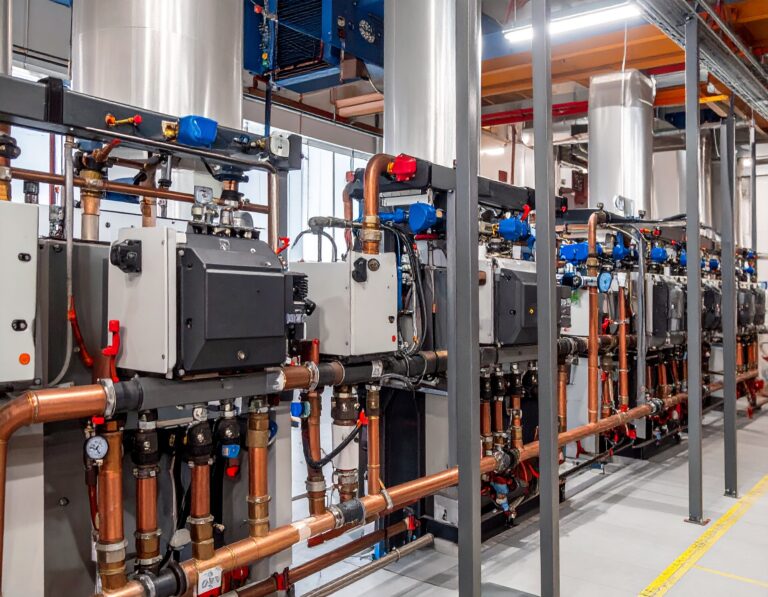
In block-managed buildings, the central plant room supplies heat to multiple HIUs that distribute energy throughout each dwelling. These units typically include:
Plate heat exchangers for transferring heat efficiently
Control valves and thermostats for accurate temperature regulation
Strainers and filters that remove debris from the system
Flow sensors and actuators that balance circulation
Each HIU’s reliability affects the overall system. When one unit underperforms, the entire network experiences pressure drops and temperature imbalance. Regular maintenance ensures every HIU operates within design tolerance, stabilising output and maintaining even heat distribution across all flats.
What Problems Indicate an HIU Needs Servicing?
Even the best systems degrade under continuous use. Hard water, corrosion, and debris buildup restrict heat transfer and strain mechanical components. Below is a summary of common HIU issues and their effects:
| Problem | Underlying Cause | System Impact |
|---|---|---|
| Weak heating or hot water | Scaled or fouled heat exchangers | Poor temperature control and inefficiency |
| Low flow rate | Blocked strainers or failing valves | Pressure loss and uneven circulation |
| Excess noise or vibration | Air ingress or pump imbalance | System instability and wear |
| Inaccurate readings | Sensor drift or faulty thermostats | Irregular heating response |
| Control failure | Damaged actuators or electronic faults | Unreliable regulation and higher fuel use |
Routine maintenance prevents these faults from escalating. Flair Facilities technicians use calibrated instruments to detect performance drops early and correct them before system failure occurs.
What Does Professional HIU Maintenance Include?
Professional Heat Interface Unit maintenance is a technical process focused on restoring performance, preventing energy loss, and ensuring full compliance. Each service follows a structured method that measures, cleans, tests, and verifies every component for optimal heat transfer.
A typical HIU service covers five core areas:
Performance diagnostics – Engineers analyse flow rate, return temperature, and differential pressure. These readings show how effectively the HIU transfers heat between the central network and the local heating circuit. Any imbalance can reveal scaling, valve faults, or restrictions that limit performance.
Internal cleaning and descaling – Plate heat exchangers, filters, and strainers are dismantled and flushed to remove limescale and debris. This step restores full water flow, improves thermal exchange, and prevents corrosion inside the system.
Valve and actuator testing – Mechanical and electronic control valves are checked for precision and response speed. Proper valve function maintains accurate temperature control and protects against sudden pressure changes.
System calibration – Temperature sensors, thermostats, and flow limiters are recalibrated to align with the system’s design parameters. This ensures consistent hot water output and stable heating across all connected units.
Compliance reporting and verification – Engineers document every finding, test result, and adjustment in a detailed service report. This record provides proof of compliance with Gas Safe regulations, Building Regulations, and UK Heat Network standards.
Each HIU is tested under live conditions after servicing to verify accurate operation, safe pressure levels, and efficient heat transfer. The data collected helps property managers track system performance and plan future maintenance schedules.
Flair Facilities engineers perform this process with precision and accountability, ensuring every HIU they service operates safely, efficiently, and within regulatory standards.
How Regular Maintenance Improves Efficiency and Compliance
Routine HIU maintenance is not simply reactive; it’s a long-term strategy that preserves energy efficiency, operational stability, and system lifespan. When HIUs are regularly cleaned and calibrated, heat exchangers transfer energy more effectively, lowering system demand and fuel consumption across the building.
A well-maintained unit reduces mechanical stress on valves, pumps, and sensors. This prevents premature failure and ensures balanced heat delivery to every flat. With consistent flow and temperature control, tenants experience steady comfort, while property managers benefit from predictable performance and lower maintenance costs.
Compliance is another major advantage. Properly maintained HIUs support full adherence to Building Regulations Part L and the Heat Network (Metering and Billing) Regulations. Service documentation provides verifiable proof during audits, safeguarding landlords from penalties and ensuring safety obligations are met.
Flair Facilities provides structured maintenance programmes tailored to block-managed heating systems across London. Each contract includes scheduled inspections, performance tracking, and prompt support, ensuring that every HIU remains efficient, compliant, and reliable throughout its lifecycle.
Why Choose Flair Facilities for HIU Maintenance in London?
Flair Facilities is a specialist in block-managed heating maintenance. The company’s Gas Safe certified engineers combine technical expertise with efficient service delivery. Each visit is planned to minimise disruption, maintain system integrity, and ensure consistent performance across large-scale networks.
Clients benefit from transparent reporting, flexible maintenance contracts, and a responsive team experienced with all major HIU brands. Whether for routine servicing or complex multi-unit diagnostics, Flair Facilities delivers measurable results and lasting reliability.
To book maintenance or discuss ongoing support, visit us or contact Flair Facilities today.
Explore our Services here:
- Commercial Gas Boiler Services
- BMS Services
- Commercial Boiler Pump Services
- Gas Purging Services
- Commercial Kitchen and Gas Catering Engineers
- Water Booster Pump Services
- Pressure Testing Services
- Gas Safety Certificate CP42
- Block Managed Heating Systems
- Heat Interface Unit Services
- Air Source Heat Pump Services
Reliable Heat Interface Unit maintenance is essential for efficiency, comfort, and safety in block-managed heating systems. When maintained by professionals, HIUs deliver stable temperatures, longer equipment life, and lower running costs.
Flair Facilities offers complete HIU maintenance solutions for properties across London. With certified engineers, detailed documentation, and fast response times, the company ensures every system operates to its full potential.
Frequently Asked Questions
A Heat Interface Unit acts as the local bridge between a building’s central heating plant and each flat. It transfers heat from the main network into the resident’s hot water and space heating circuits. Every HIU provides individual temperature control and energy metering while sharing one main heat source, making the entire system more efficient and easier to manage.
Over time, the internal plate heat exchangers and valves inside the HIU can collect limescale and sludge, especially in areas with hard water. This buildup restricts flow, causes temperature fluctuations, and forces the central system to work harder. Regular servicing removes those deposits, recalibrates the controls, and ensures the system runs at its designed efficiency — saving both energy and long-term repair costs.
Common signs include longer waiting times for hot water, uneven heating, or strange noises when taps are used. Some residents also notice higher energy bills even when usage stays the same. These symptoms usually mean that filters or exchangers are partially blocked and that the unit is no longer transferring heat efficiently. A professional inspection can pinpoint the cause quickly before it becomes a full system fault.
Engineers start by testing pressure, temperature, and flow performance. They then open the unit to clean filters, flush heat exchangers, and check the operation of control valves and sensors. Once everything is cleaned and tested, the engineer calibrates the settings to ensure precise heat delivery and consistent hot water output. Finally, all readings and recommendations are logged in a detailed service report for property records and compliance.
Most manufacturers recommend annual maintenance, though heavily used systems or buildings with hard water benefit from six-month checks. This routine ensures the unit stays efficient and avoids costly emergency repairs. For multi-dwelling properties, a structured maintenance contract keeps all HIUs in sync with the same service schedule, improving performance across the entire block.
Yes. A single malfunctioning HIU can cause uneven pressure or temperature drops across the network. This imbalance forces the central plant room to compensate, using more fuel and increasing wear on pumps and boilers. Keeping every HIU clean and balanced ensures that the whole heating system performs consistently and efficiently.