Planning reforms trigger a surge in heat pumps across the UK. Discover why adoption is rising, the benefits for businesses, and the challenges ahead.
Heat pumps have seen unprecedented growth in the UK since the introduction of planning reforms designed to simplify installation. The government reported a rise of more than 50 percent in applications for grants under the Boiler Upgrade Scheme, a clear indicator of how regulation can reshape the market.
For years, businesses and households alike faced unnecessary hurdles when installing low-carbon heating. Planning rules varied across local authorities, permissions were often required for external units, and delays pushed projects beyond reasonable timelines. By addressing these issues, reforms introduced in 2024 created a more predictable path to adoption. This change has not only encouraged households but also motivated commercial property owners to act.
The Details of Planning Reform
Previous planning rules made many heat pump projects more complex than necessary. External units, a standard component of most systems, were subject to restrictions on placement and noise. Local authorities interpreted rules differently, creating confusion and leading to inconsistent approval times.
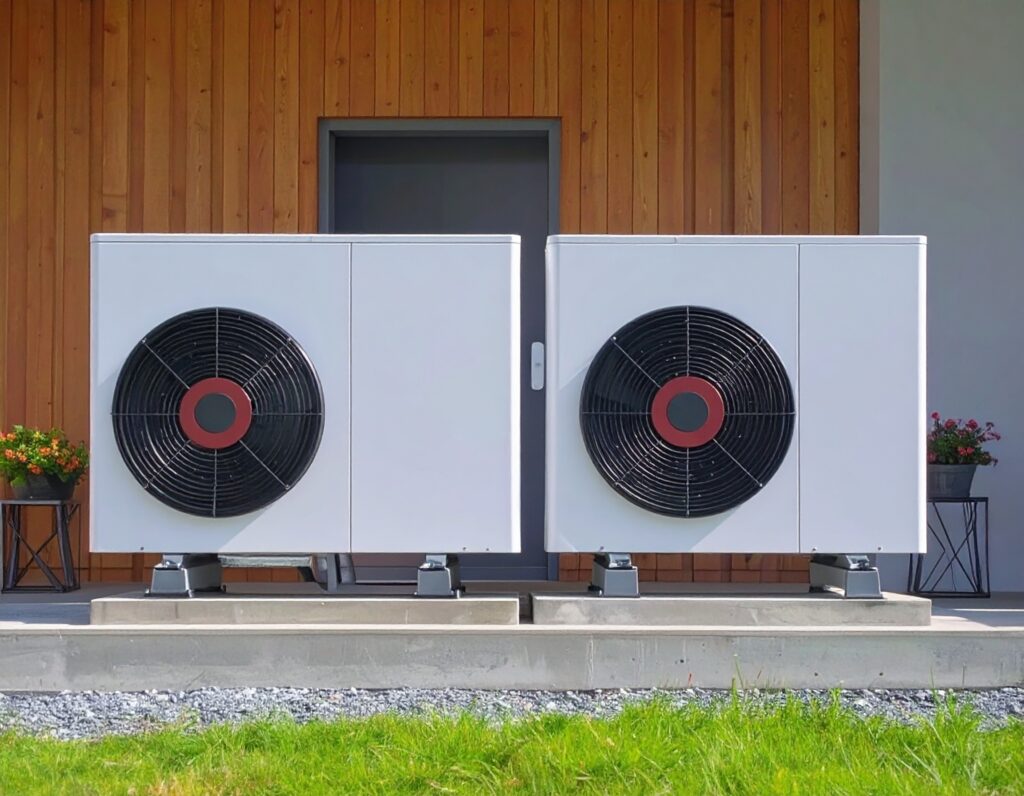
The reforms standardised requirements and removed unnecessary permissions in most cases. For both residential and commercial properties, external units can now be installed more freely provided they meet clear national guidelines. This reduction in red tape shortened project timelines and reduced administrative costs.
For London in particular, where property values are high and operational costs are already significant, the shift has been immediately felt. Businesses that once put off upgrades due to unpredictable delays now have a straightforward path to compliance.
Why Demand Increased So Rapidly
Policy reform created the spark, but wider market conditions explain the intensity of the surge. Energy costs remain volatile, making efficiency a top priority for businesses and households. Sustainability targets are no longer optional; organisations are expected to demonstrate progress toward net zero.
Public awareness has also grown, with government campaigns and media coverage placing heat pumps at the centre of national conversation. Combined with financial incentives through the Boiler Upgrade Scheme, the result has been a surge in adoption.
The Boiler Upgrade Scheme itself plays a pivotal role by reducing the upfront financial barrier. Grants of up to £7,500 per system make projects financially achievable for a broader range of property owners. The planning reforms, in turn, ensure that this funding can be accessed without months of delay.
Scientific and Economic Metrics Driving Adoption
Factor | Conventional Gas Boiler (Baseline) | Heat Pump (Average UK Performance) | Key Insight |
Seasonal Efficiency (SCOP) | 85–90% | 280–320% | Heat pumps deliver nearly 3 units of heat for every unit of electricity, compared with <1 unit from gas. |
Carbon Intensity (kg CO₂/kWh) | 0.184 (UK natural gas) | 0.05–0.08 (grid electricity mix 2024) | Heat pumps cut emissions by ~60–70% depending on electricity mix. |
Payback Period (years) | N/A (status quo) | 6–9 (with Boiler Upgrade Scheme grant) | Grants shorten ROI; future grid decarbonisation will make savings greater. |
Sensitivity to Energy Prices | High (linked to fossil fuel imports) | Moderate (electricity grid diversifies into renewables) | Reduced exposure to geopolitical shocks in global gas markets. |
Maintenance Frequency | Annual service + higher failure risk | Annual service + fewer moving parts | Long-term reliability improves cost stability. |
The Benefits for Commercial Properties
The rise in adoption is particularly relevant to commercial sites across London and the wider UK. For businesses, the decision to install heat pumps is not simply about compliance but about financial performance and operational resilience.
Heat pumps deliver lower running costs by operating at high efficiency compared with traditional gas boilers. They reduce carbon emissions, allowing organisations to meet ESG obligations and regulatory requirements. Systems also provide both heating and cooling, which is valuable in environments that require consistent year-round comfort.
The financial support available through grants makes adoption more accessible. For many businesses, the opportunity to combine long-term energy savings with upfront support provides a compelling investment case. Heat pumps also reduce reliance on fossil fuels, protecting against the risks of volatile energy markets.
Challenges That Remain
The growth in adoption does not eliminate the practical challenges businesses face. Capital costs remain significant, even with grants applied. Some properties may lack the space or infrastructure for large external units, requiring careful site assessment.
Another challenge is the availability of skilled engineers. The surge in demand has already increased pressure on the installation sector, creating risks of longer waiting times. For businesses with strict operational requirements, early planning is essential.
Finally, successful adoption requires adjustment. Facilities teams must learn to manage new systems and adapt to their operational characteristics. This requires training and reliable support to ensure systems continue to perform efficiently.
The Boiler Upgrade Scheme Explained
The Boiler Upgrade Scheme was introduced to encourage low-carbon heating by lowering upfront costs. Covering both air source and ground source heat pumps, it provides grants of up to £7,500 per installation. This level of support can transform the financial feasibility of large-scale projects.
The scheme is structured to ensure transparency. Approved installers apply on behalf of clients, reducing administrative complexity for property owners. Once approved, the grant is deducted from the total cost, leaving the business responsible for the remainder.
By combining the scheme with planning reforms, the government has created an environment where projects can move forward quickly and with financial certainty. The alignment of financial support and regulatory simplification has been key to the current surge in uptake.
Wider Implications for the UK Market
The increase in demand for heat pumps has implications that extend beyond individual properties. Supply chains will need to expand to meet growing demand. Manufacturers are already increasing production to reduce the risk of shortages.
The skills gap in engineering and installation is also in focus. More training and accreditation will be needed to ensure quality standards remain high as adoption expands. Analysts also expect innovation to accelerate, with manufacturers developing more efficient systems and smarter integration options to serve an increasingly competitive market.
The reforms also demonstrate the credibility of policy as a driver of change. When regulation aligns with financial incentives, markets respond quickly. This success may encourage further policy action to accelerate the shift toward net zero.
Future Outlook for Heat Pump Adoption
Looking forward, the outlook for heat pump adoption remains strong. The 2025 energy efficiency rules will place further pressure on businesses to act, ensuring that heat pumps continue to play a central role in compliance strategies.
The surge also demonstrates that change can happen rapidly when the right conditions are created. If additional reforms or expanded funding are introduced, adoption may accelerate even faster. For businesses, the challenge is timing. Early adopters secure grants, installation slots, and skilled support, while those who delay may face shortages and higher costs.
The technology itself is also evolving. Integration with smart controls, renewable energy sources, and predictive maintenance systems will expand the functionality of heat pumps. As innovation continues, the case for adoption will only grow stronger.
Explore our Services here:
- Commercial Gas Boiler Services
- BMS Services
- Commercial Boiler Pump Services
- Gas Purging Services
- Commercial Kitchen and Gas Catering Engineers
- Water Booster Pump Services
- Pressure Testing Services
- Gas Safety Certificate CP42
The surge in heat pump adoption across the UK illustrates how planning reform can act as a catalyst for change. By removing uncertainty and aligning with financial support, the government has unlocked rapid growth in installations.
For commercial clients, the implications are immediate. Lower running costs, reduced emissions, and compliance with future regulations make heat pumps a valuable investment. The opportunity now lies in planning ahead, securing resources, and ensuring systems are installed and maintained to the highest standard.
Frequently Asked Questions
Planning reforms removed much of the red tape around external units and standardised rules across councils. This gave businesses and homeowners a clear, predictable process, turning projects that once stalled into achievable upgrades.
Yes. Grants through the Boiler Upgrade Scheme reduce upfront costs by up to £7,500, and long-term energy savings often offset remaining investment. For many commercial sites, the payback period is shorter than with older systems.
Not every building is suitable. Sites need enough space for external units, and existing infrastructure must support the system. A professional survey is the best way to confirm feasibility before committing funds.
Hospitality, healthcare, and education are leading adoption because these sectors need consistent heating and cooling and face pressure to demonstrate sustainability progress. Retail and office properties are also increasingly active.
Heat pumps cut carbon emissions by replacing gas combustion with electricity-driven transfer of ambient heat. When paired with renewable power, they reduce operational emissions dramatically, making them a cornerstone of net zero strategies.
Demand has already placed pressure on supply chains and skilled labour. Businesses acting early are more likely to secure installation slots and avoid cost inflation as waiting lists grow.