Smart BMS solutions are transforming heating and cooling in London. Discover how intelligent systems cut energy use, reduce emissions, and boost comfort. Heating and cooling represent some of the largest costs for commercial properties in London. With energy prices unpredictable and environmental standards tightening, businesses are turning to technology to manage systems more efficiently. Smart Building Management Systems (BMS) have emerged as a leading solution, using advanced controls and real-time data to optimise performance, reduce emissions, and maintain occupant comfort.
Unlike traditional systems that operate on static settings, smart BMS platforms analyse conditions, adjust automatically, and learn usage patterns. The result is greater efficiency and a system that adapts to the building rather than forcing the building to adapt to the system. For commercial clients, this represents a shift from reactive maintenance to proactive control.
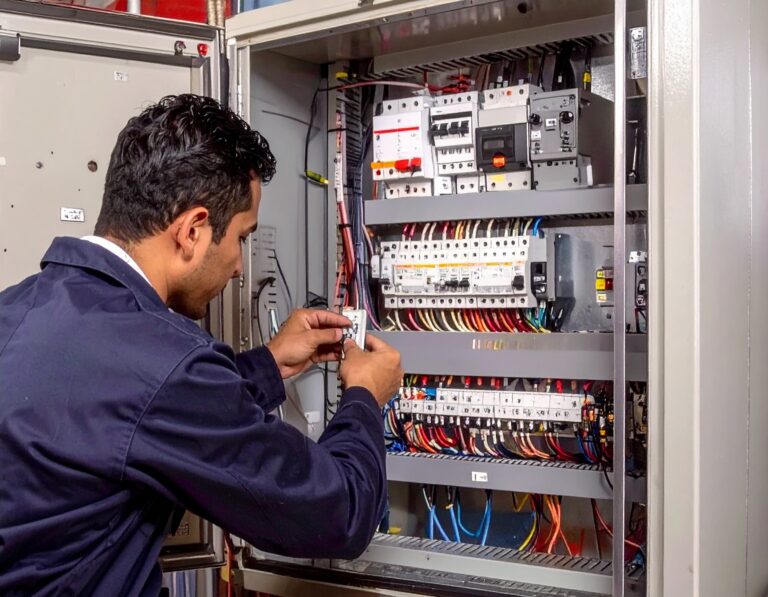
What Defines a Smart BMS in 2025
A smart BMS integrates heating, cooling, ventilation, and sometimes lighting and security into a single digital platform. These systems use sensors, cloud connectivity, and analytics to deliver insights that conventional controls cannot.
Key capabilities include:
Real-time monitoring of temperature, humidity, and energy consumption.
Predictive adjustments based on occupancy and outdoor conditions.
Automated alerts for system inefficiencies or failures.
Integration with renewable energy sources and heat pumps.
This intelligence allows property managers to operate buildings that are not only more comfortable but also more compliant with energy efficiency targets.
Why Smart BMS Solutions Are Critical for London’s Commercial Properties
London presents unique challenges for building operations. Many properties are older, with varying infrastructure, while others are new developments designed to meet ambitious environmental targets. Both face rising energy costs and stricter regulations under UK climate policies.
Smart BMS addresses these challenges by providing:
Operational visibility: Managers can track how each part of the system performs at any time.
Energy savings: Adjustments are automatic, reducing wasted energy and lowering bills.
Regulatory alignment: Systems are designed to meet or exceed compliance standards.
Improved comfort: Consistent temperatures support productivity and customer satisfaction.
For sectors like hospitality, healthcare, retail, and education, the combination of reliability and efficiency is essential.
The Technology Behind Smart Heating and Cooling
At the core of smart BMS is the ability to translate data into decisions. Sensors measure temperature, CO₂ levels, and occupancy. Algorithms then adjust heating and cooling outputs based on real-time demand. For example, an office floor that is unoccupied can be kept at baseline conditions while an active meeting room receives optimal comfort settings.
Integration with the wider energy network also plays a role. Smart BMS can align heating and cooling with off-peak electricity tariffs or renewable supply windows, reducing both costs and carbon intensity. This feature is particularly relevant as the UK grid continues to decarbonise.
Measuring the Impact: Efficiency and Emissions
The value of smart BMS solutions lies in measurable outcomes. Studies show that energy savings can range from 15 to 30 percent depending on building type and existing infrastructure. Carbon emissions drop in parallel, supporting businesses under pressure to meet net zero targets.
Comparative Impact of Smart BMS vs Traditional Systems
| Performance Measure | Traditional Controls | Smart BMS Solutions |
|---|---|---|
| Energy Efficiency | Static settings, limited response | Dynamic optimisation saves 15–30% energy |
| Occupant Comfort | Reactive adjustments | Predictive control maintains steady comfort |
| Fault Detection | Issues discovered after breakdown | Early alerts prevent failures |
| Carbon Reduction Potential | Limited | 20–40% lower emissions depending on grid mix |
| Integration with Renewables | Rare | Designed to integrate with solar, heat pumps, storage |
Smart BMS as a Driver of Business Value
For commercial clients, the adoption of smart BMS is not simply about reducing utility bills. It connects directly to wider business objectives. Energy savings free up budget for other priorities. Lower emissions improve brand reputation and attract investors focused on ESG criteria. Reliable comfort levels improve tenant retention in offices and satisfaction in hotels and retail spaces.
The financial case is strengthened by the fact that many upgrades qualify for government incentives or can be aligned with refurbishment programmes already planned for 2025. When analysed over the lifetime of the building, smart BMS systems often deliver returns well beyond their installation cost.
Challenges and Considerations in Adoption
Despite the benefits, smart BMS adoption requires planning. Costs can be significant, particularly for retrofitting older properties with outdated infrastructure. Integration also demands skilled engineers who understand both mechanical systems and digital platforms.
Businesses must consider cybersecurity as well, since connected systems are potential entry points for data breaches. Robust protocols and secure cloud platforms are critical for protecting operational integrity.
Finally, success depends on engagement. Facilities teams need training to interpret data and respond effectively to insights. Without skilled management, the potential of the technology may not be fully realised.
Where Smart BMS is Heading
The evolution of smart BMS is moving toward greater autonomy and integration. Machine learning algorithms are becoming more sophisticated, enabling systems to predict needs with higher accuracy. Integration with district heating, renewable microgrids, and electric vehicle charging is expected to expand, positioning BMS as the hub of sustainable energy management.
London’s commercial property market is likely to see rapid growth in adoption as 2025 efficiency regulations take effect. Properties without smart systems risk higher operating costs, reputational challenges, and regulatory penalties. Those that adopt early will gain competitive advantage, both in cost savings and sustainability credentials.
Explore our Services here:
- Commercial Gas Boiler Services
- BMS Services
- Commercial Boiler Pump Services
- Gas Purging Services
- Commercial Kitchen and Gas Catering Engineers
- Water Booster Pump Services
- Pressure Testing Services
- Gas Safety Certificate CP42
Smart BMS solutions are transforming heating and cooling across London’s commercial properties. By combining advanced sensors, analytics, and automation, they deliver energy savings, reduce emissions, and improve comfort.
The adoption of these systems reflects a broader shift toward sustainable building operations. For London businesses, smart BMS represents more than compliance — it is a pathway to lower costs, stronger resilience, and alignment with the city’s net zero vision.
Frequently Asked Questions
By analysing occupancy, temperature, and external weather data in real time, smart BMS platforms adjust system outputs precisely. This reduces wasted energy that traditional static controls cannot prevent.
Yes, but the level of integration depends on the system’s age and condition. Many legacy boilers, chillers, and air handlers can be retrofitted with sensors and controllers to connect with a smart BMS.
Studies in UK commercial sites show reductions between 15 and 30 percent. Savings depend on factors such as building size, occupancy patterns, and whether renewables are integrated.
Yes. Modern systems are designed for multi-technology integration. They can shift demand to align with solar production or optimise heat pump performance to maximise efficiency.
Smart BMS solutions generate continuous data streams on energy use, equipment condition, and indoor climate. This data is analysed to detect inefficiencies, predict failures, and guide proactive maintenance.
Yes, any connected system carries risk. Reputable platforms use encrypted communication, secure cloud hosting, and regular updates to reduce vulnerabilities. Staff training is also vital.