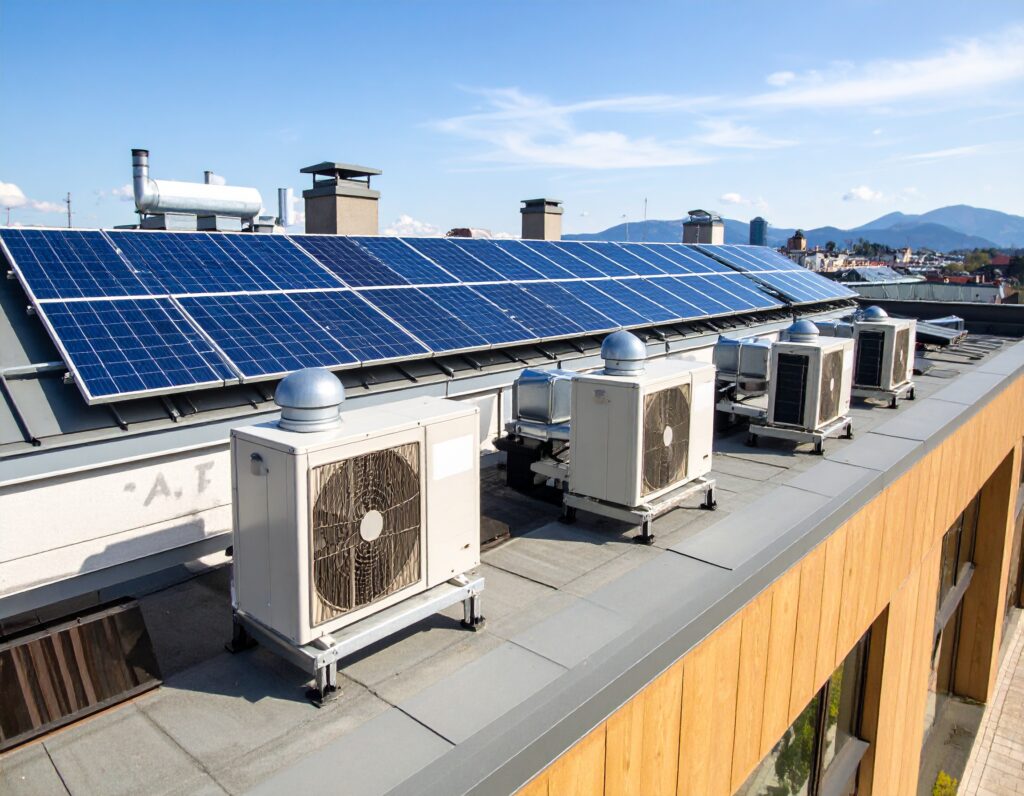
Explore the top sustainable heating options for 2025, including heat pumps, biomass systems, and solar thermal solutions. These low-carbon technologies reduce emissions and energy consumption in both commercial and residential properties. With stricter regulations and unstable energy prices, demand is rising for efficient, future-ready alternatives to gas boilers. Heat pumps, biomass boilers, and solar thermal panels lead the transition. Each system offers distinct performance benefits, challenges, and installation requirements. This article breaks down how they work, where they perform best, and what property owners need to consider before upgrading.
Why Is Sustainable Heating Gaining Momentum in 2025?
The UK’s net-zero targets, soaring energy prices, and public demand for greener buildings are fuelling rapid change. The government’s Boiler Upgrade Scheme offers grants of up to £7,500, making low-carbon options more affordable. Energy Performance Certificate (EPC) ratings also now influence resale value, planning permissions, and tenant demand. This combination of cost pressure and regulation is pushing sustainable heating into the mainstream.
Why Is Sustainable Heating Taking Off in 2025?
The UK’s net-zero targets, soaring energy prices, and public demand for greener buildings are fuelling rapid change. The government’s Boiler Upgrade Scheme offers grants of up to £7,500, making low-carbon options more affordable. Energy Performance Certificate (EPC) ratings also now influence resale value, planning permissions, and tenant demand. This combination of cost pressure and regulation is pushing sustainable heating into the mainstream.
Which Heating Systems Are Most Efficient in 2025?
| System Type | Avg. Efficiency (COP) | Best Use Cases |
|---|---|---|
| Air Source Heat Pump (ASHP) | 3.0–3.5 | Urban homes, small offices |
| Ground Source Heat Pump (GSHP) | 4.0–4.5 | Rural properties, large homes |
| Biomass Boiler | 85–95% combustion | Off-grid, farms, rural buildings |
| Solar Thermal | Supplementary only | High hot water demand |
How Do Heat Pumps Work and Where Do They Excel?
Heat pumps move heat instead of generating it. They absorb energy from the air, ground, or water and transfer it indoors. This process uses electricity but delivers 3–4 times more heat than the energy it consumes (Coefficient of Performance or COP).
Air source heat pumps are the most common and easiest to install. Ground source heat pumps are more efficient but require trenching or boreholes. These systems work best in well-insulated homes, new builds, or properties undergoing major renovations.
Pros include high efficiency, low emissions, and eligibility for grants. However, they come with high upfront costs, may require electrical upgrades, and can be less effective in poorly insulated buildings.
What Makes Biomass Heating a Viable Alternative?
Biomass boilers burn organic materials like wood pellets or chips to generate heat. These systems are often used in rural and off-grid locations. They suit large commercial properties, farms, or buildings not connected to the gas grid.
They offer stable fuel pricing and compatibility with existing radiators. They are also considered carbon-neutral when sourced responsibly. Downsides include the need for storage space, regular maintenance, and combustion-related emissions.
Can Solar Thermal Really Provide Reliable Heating?
Solar thermal panels use sunlight to heat water stored in a cylinder. While they don’t support space heating, they are excellent for hot water demand. They are ideal for properties with high water usage and good solar exposure.
The systems involve low maintenance and no fuel cost, and they can complement other systems. However, performance dips seasonally, they require a backup heat source, and they’re limited in heating capacity.
What Are Hybrid Heating Systems and Are They Worth It?
Hybrid heating systems combine renewable technology with traditional boilers. A typical setup includes an air source heat pump handling baseline loads and a gas boiler managing peak demand. This setup is helpful where full replacements aren’t feasible.
Hybrid systems offer flexibility and reduce running costs, but they are more complex and rely heavily on good control integration.
How Do Incentives Like the Boiler Upgrade Scheme Help?
The Boiler Upgrade Scheme offers financial support to make eco-friendly heating more affordable. In 2025, air source heat pumps are eligible for £7,500 and biomass boilers can receive £5,000, provided the property and installation meet requirements.
Eligibility factors include replacing a fossil fuel system, meeting EPC standards, and using an MCS-certified installer. This grant significantly reduces the cost barrier for switching to sustainable heating.
What Are the Installation and Maintenance Considerations?
Each system comes with its own installation challenges. Ground source systems require digging or drilling, solar systems need proper roof orientation, and biomass systems need storage space for fuel.
Maintenance requirements vary:
- Heat pumps benefit from annual servicing and filter checks.
- Biomass systems need ash removal, flue cleaning, and fuel quality monitoring.
- Solar thermal requires panel inspections and fluid checks.
Are Sustainable Heating Systems Suitable for Retrofitting?
Retrofitting older buildings is possible but can be more complex. Insulation, radiator size, and electrical infrastructure often need upgrades. A phased approach helps manage costs and disruption.
Start by conducting a heat loss assessment. Improve insulation, update zoning, and modernise controls before integrating a new heating system. Hybrid setups can also ease the transition.
What Are the Environmental and Long-Term Financial Benefits?
Lowering emissions helps future-proof buildings against penalties and supports ESG goals. Though installation costs are higher, these systems pay off over time through fuel savings and lower maintenance.
Heat pumps can reduce CO₂ emissions by up to 70%. Biomass, when responsibly sourced, is carbon-neutral. Solar thermal reduces the carbon footprint of water heating.
Financially, expect lower energy bills, increased property value, and greater independence from volatile fuel markets.
How Do Smart Heating Controls Maximise Efficiency?
Modern heating systems can integrate with smart controls to optimise performance. Tools like thermostats and energy monitors enable remote scheduling, adaptive learning, and automation.
Smart integration boosts comfort, minimises waste, and connects heating with broader smart building ecosystems.
What Role Does Building Design Play in Heating System Performance?
The building envelope determines how well a heating system performs. Key design factors include insulation, glazing, airtightness, and internal layout.
Insulation reduces heat loss and system size requirements. Open-plan designs distribute warmth efficiently. Ventilation should support heat recovery without compromising indoor air quality.
Explore our Services here:
- Commercial Gas Boiler Services
- BMS Services
- Commercial Boiler Pump Services
- Gas Purging Services
- Commercial Kitchen and Gas Catering Engineers
- Water Booster Pump Services
- Pressure Testing Services
- Gas Safety Certificate CP42
Choosing a sustainable heating system in 2025 means more than lowering emissions: it’s about future-proofing your property, reducing long-term costs, and aligning with evolving energy regulations. While each system has its pros and cons, the right choice depends on building type, usage needs, and available budget. With government incentives and modern design tools, it’s easier than ever to switch to smarter, greener heating.
Frequently Asked Questions
Air source heat pumps are the most affordable option when grants like the Boiler Upgrade Scheme are applied. They also offer high energy efficiency.
No, solar thermal is usually a supplementary system. It can handle hot water needs but not full space heating, especially in winter months.
It can be, if the fuel is sustainably sourced and combustion is well-managed. However, poor sourcing or inefficient burning reduces its environmental benefits.
Not always. Funding typically applies to standalone heat pumps or biomass systems. However, hybrids may still qualify if they meet certain criteria.
Larger properties with outdoor space for trenching or boreholes gain the most from ground source systems, given the higher efficiency.
Yes. Energy-efficient systems appeal to buyers and tenants, and EPC improvements can positively affect resale value.