Learn how traditional heating systems operate in UK commercial buildings, their role today, maintenance needs, control methods, and retrofit challenges. Traditional heating systems remain a backbone of climate control in many UK commercial buildings. While newer technologies like heat pumps and hybrid systems are gaining ground, older, time-tested solutions still dominate many offices, schools, warehouses, and public sector estates. Understanding how these systems work, their benefits, and where they fall short is essential for facilities managers, HVAC engineers, and commercial landlords looking to optimise or upgrade their heating infrastructure.
What Defines a Traditional Commercial Heating System?
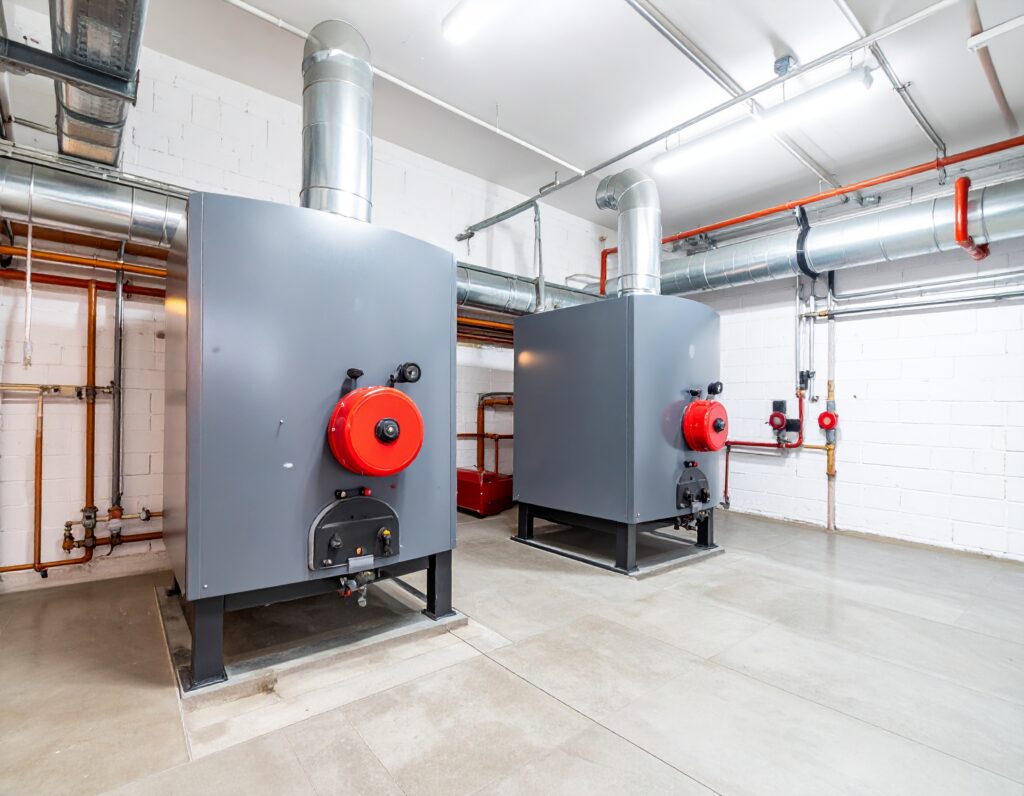
A traditional heating system typically relies on fossil fuel combustion most commonly gas, oil, or sometimes coal. These systems use boilers to generate heat, which is then distributed through water-based or air-based systems.
Gas-fired boilers are the most common, using natural gas to heat water that circulates through radiators or underfloor heating pipes. These are familiar, well-supported systems with decades of engineering refinement behind them.
In larger buildings, these setups are often part of a centralised plant room configuration, feeding heat into multiple zones or wings. They may operate alongside calorifiers or heat exchangers to deliver hot water as well.
Common Types of Traditional Heating Equipment
Gas-Fired Boilers
Natural gas boilers dominate the commercial landscape due to low fuel costs and widespread availability. Most use condensing technology, improving efficiency by reclaiming latent heat from flue gases.
Oil-Fired Boilers
Oil heating is found more often in rural or off-grid locations where gas is unavailable. These systems offer high heat output but tend to have higher running and maintenance costs.
Warm Air Units
Used frequently in warehouses and industrial settings, warm air heaters blow heated air directly into the space. They offer rapid heat-up times but can struggle with even heat distribution in larger or compartmentalised buildings.
Radiators and Convectors
These heat emitters are standard across office environments. Radiators rely on natural convection and radiant heat, while fan convectors use blowers to distribute warmth more quickly.
How Are Traditional Heating Systems Controlled?
Basic thermostats and time clocks were once the norm. Today, many traditional systems are retrofitted with more advanced controls.
- Zone control: Divides the building into separate areas with independent temperature settings.
- Building Management Systems (BMS): Allows centralised monitoring and scheduling of heating operations.
- Weather compensation: Adjusts boiler output based on outdoor temperatures, improving seasonal efficiency.
Efficiency and Emissions: Where Traditional Systems Fall Short
Older boilers and poorly maintained systems often run at lower efficiencies. Non-condensing boilers waste heat in flue gases, while manual controls allow for overheating and unnecessary runtime.
Burning gas or oil releases CO₂ and other pollutants. As environmental regulations tighten and net-zero targets loom, traditional systems are under growing scrutiny. The shift to low-carbon alternatives is accelerating, especially in new builds or public sector refurbishments.
Maintenance Needs and Lifecycle Considerations
Traditional systems tend to be durable but require regular maintenance:
- Annual boiler servicing to maintain safety and efficiency
- Flue inspections to check for blockages or corrosion
- Pump and valve checks to ensure circulation
- Water treatment to prevent scale and corrosion
With proper upkeep, these systems can last 15–25 years. However, parts availability and declining manufacturer support can be challenges for legacy setups.
Integration with Renewable Energy Systems
Some commercial buildings retrofit traditional boilers with renewable elements to lower emissions:
- Solar thermal panels to preheat domestic hot water
- Biomass boilers in place of oil-fired units
- Hybrid systems combining gas boilers with heat pumps for flexible load sharing
Such integrations can reduce carbon output and operating costs while prolonging the lifespan of existing infrastructure.
What’s the Role of Traditional Systems in a Decarbonising UK?
While the UK government promotes low-carbon heat, many commercial properties still rely on traditional systems due to budget constraints or structural limitations. Understanding these systems’ capabilities—and their limitations—helps businesses plan sensible transitions.
In older buildings with high heat demands, traditional systems may remain in place until a full retrofit is feasible. In the meantime, efficiency upgrades, zoning, and hybridisation offer viable intermediate steps.
Comparing Traditional vs. Modern Heating Systems
Traditional heating setups remain reliable but can’t match the environmental performance of low-carbon alternatives. Here’s how they compare:
Feature | Traditional Heating | Modern Heating (e.g., Heat Pumps) |
Fuel Source | Gas, Oil | Electricity (often renewable) |
Efficiency | 70–90% | Up to 400% (COP 4.0) |
Emissions | High CO₂ | Low to zero CO₂ |
Maintenance | Medium to High | Low to Medium |
Retrofit Suitability | High | May require insulation upgrades |
Is There Still a Place for Traditional Heating?
Absolutely especially in buildings with high peak loads, limited electrical capacity, or legacy infrastructure. However, their days are numbered as the grid decarbonises and incentives shift toward renewable systems.
Where replacement isn’t yet viable, it’s worth investing in smart controls, zoning, and better maintenance. A well-run traditional system is better than a poorly implemented modern one.
What Are the Key Retrofit Challenges for Traditional Systems?
Retrofitting traditional systems isn’t plug-and-play. Challenges include limited plant room space, pipework compatibility, and outdated flue routes. Heat emitters sized for high flow temperatures may also need replacement when switching to low-temperature systems like heat pumps.
Assessing heat loss, electrical load capacity, and ventilation is essential before upgrading. A phased approach starting with controls and insulation can ease the transition.
How Do Traditional Heating Systems Handle Zoning in Large Buildings?
Many traditional systems use zone valves or sub-headers to divide buildings into independently controlled areas. This zoning improves comfort and saves energy, but only if controls are calibrated correctly.
Modern BMS platforms now integrate with traditional equipment via open protocols or retrofit sensor kits, allowing centralised oversight without replacing core hardware.
Can Traditional Systems Be Made Compliant with Future Carbon Regulations?
Not all traditional systems will meet future emissions limits. However, interim upgrades like switching to hydrogen-ready boilers, improving system insulation, and integrating solar thermal can help bridge the gap.
Long-term, full electrification or biomass conversion may be required. But for many commercial buildings, staged improvements can extend system life while meeting tightening regulations.
What Are the Fuel Supply Risks for Traditional Systems?
Fuel price volatility and supply chain disruptions can create operational risk. Gas prices have fluctuated sharply in recent years, and oil delivery logistics can be affected by weather and infrastructure.
Buildings relying on fossil fuels may need storage solutions, dual-fuel options, or contingency plans to handle outages. Diversifying energy sources reduces reliance on a single system.
How Do Weather Patterns Affect Traditional Heating Loads?
Colder winters and heatwaves are becoming more common. Traditional heating systems need to be able to ramp up quickly in response to sudden temperature drops.
However, oversized systems can short-cycle in milder weather. Smart weather compensation and adaptive controls help balance heat delivery and save energy year-round.
Are Traditional Heating Systems Still Taught in HVAC Training?
Yes. While training is shifting toward low-carbon tech, understanding traditional systems remains crucial. Many engineers work with mixed systems and must know how to maintain legacy boilers while integrating new components.
Skills in pipework sizing, burner calibration, and flue inspection are still valuable across commercial projects.
Explore our Services here:
- Commercial Gas Boiler Services
- BMS Services
- Commercial Boiler Pump Services
- Gas Purging Services
- Commercial Kitchen and Gas Catering Engineers
- Water Booster Pump Services
- Pressure Testing Services
- Gas Safety Certificate CP42
Traditional heating systems still have a significant footprint in UK commercial properties. While they’re being phased out in favour of greener options, they remain viable when managed well. Understanding their strengths, limits, and upgrade paths allows businesses to make practical decisions while working toward a lower-carbon future.
Frequently Asked Questions
Gas-fired boilers are the most widely used, especially in urban areas.
Yes, upfront costs are usually lower. But higher emissions, fuel bills, and maintenance can make them more expensive long-term.
Absolutely. Adding smart thermostats or integrating with a BMS can improve control, save energy, and delay the need for full system replacement.
They do. Annual servicing, flue checks, and pump inspections are essential to keep things running safely and efficiently.
Most systems last 15 to 25 years with proper upkeep. Past that point, efficiency drops and finding parts becomes harder.
Yes. Government funding schemes support upgrades, especially in public and non-domestic buildings aiming to cut carbon.